Wandering joint pain: More than just a pain in transit
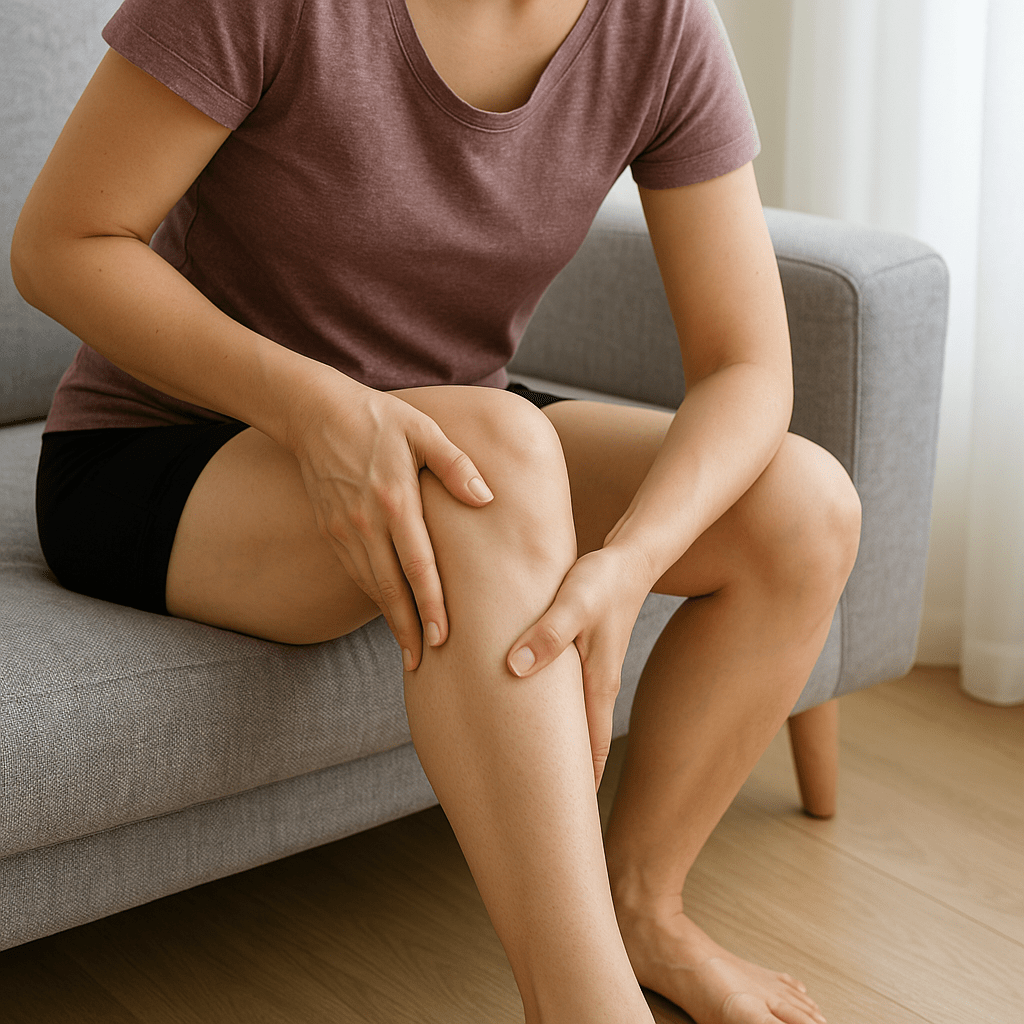
One morning you feel a sharp pain in your knee, which leads you to the doctor. After a thorough examination, some tests and a short treatment, you return home relieved, only to discover a few days later that the pain has moved - it is now plaguing your shoulder. Another doctor's visit, a new diagnosis, but the pain doesn't stick: it makes itself comfortable in your wrist next. This ironic "hike" from one joint to the next sends you on an odyssey of your own - from doctor to doctor, looking for answers and relief. A possible diagnosis? Wandering joint...


One morning you feel a sharp pain in your knee, which leads you to the doctor. After a thorough examination, some tests and a short treatment, you return home relieved, only to discover a few days later that the pain has moved - it is now plaguing your shoulder. Another doctor's visit, a new diagnosis, but the pain doesn't stick: it makes itself comfortable in your wrist next.
This ironic "hike" from one joint to the next sends you on an odyssey of your own - from doctor to doctor, looking for answers and relief. A possible diagnosis? Wandering joint pain, an apt name for a condition that drives you around with no end in sight.
In fact, one shows RKI survey on joint painthat about 25 percent of those surveyed said they had experienced joint pain in the past 24 hours. This makes these complaints one of the most common reasons for movement restrictions.
In this post, we take a closer look at migratory joint pain, also known as migrating arthritis. We explain what is behind this phenomenon that plagues us here and there and why wandering joint pain is more than just a short-term pain in transit.
How can those affected deal with it and what can massages contribute? We address these and other questions in this article.
Reading tip: From head to toe: massages can help here
What is migratory joint pain?
Migratory joint pain, often medically referred to as migrating arthritis, describes a phenomenon in which the pain can move from one joint to another. This type of joint pain is not static; rather, it travels through different parts of the body, which can complicate both diagnosis and treatment.
A key feature of migratory joint pain is that the affected joint may be temporarily inflamed (arthritis), but the symptoms may spread or relocate to other joints. Sufferers may experience a range of symptoms, including swelling, redness, increased warmth in the affected areas and reduced mobility, which travel from joint to joint along with the pain.
Reading tip: Get relief from osteoarthritis pain - here's how
Can joint pain actually migrate?
Yes, joint pain can really wander. This phenomenon is often observed in certain systemic diseases such as rheumatic fever or Lyme arthritis. This process is based on a complex interaction in the immune system that can be triggered by autoimmune or infectious triggers.
Specifically, this is because in diseases such as rheumatic fever and Lyme disease, which are caused by bacteria, the body's immune system produces antibodies. These attack not only the pathogens, but also the tissue in the joints. Because these antibodies can move in the bloodstream, this means that inflammation can “move” from one joint to the next.
We now understand how this busy joint pain arises and can manifest itself and will next focus on the causes, i.e. possible specific diseases that can lead to these symptoms.
Reading tip: Pain Management – What is the best way to deal with pain?
Causes and underlying diseases
Migrating joint pain can be triggered by a variety of causes, ranging from infectious to autoimmune processes. This pain is distressing not only because of its intensity, but also because of its unpredictability and ability to “wander” between different joints.
Common causes of wandering joint pain:
The common causes of migratory joint pain include a wide range of conditions that affect both the immune system and the body's defense against infection. They are often the result of:
- Infections: Certain viruses, such as Epstein-Barr virus or parvovirus B19, can trigger an inflammatory reaction in various joints. The hepatitis C virus is also known to cause joint symptoms.
- Autoimmune diseases: This is where the immune system mistakenly attacks healthy body tissue, which can lead to inflammation in various joints.
- Metabolic disorders: Diseases such as gout, which is characterized by the deposition of uric acid crystals in the joints, can also cause migratory joint pain.
Specific diseases related to migratory joint pain:
- Reactive arthritis: This occurs after an infection has occurred in the body, typically in the genitourinary or gastrointestinal tract. Arthritis can appear weeks after the actual infection and can spread to different joints.
- Rheumatic fever: This serious condition often follows a streptococcal infection and can cause severe inflammation in various joints, the heart, and other organs.
- Lyme arthritis: Caused by the bacterium Borrelia burgdorferi, which is transmitted through tick bites. Lyme arthritis can cause episodic pain in one or more joints that can alternate between joints.
- Whipple disease: A rare bacterial infection that affects the intestines but can also cause joint pain and other systemic symptoms.
- Other relevant illnesses: Systemic lupus, erythematosus (SLE) and sarcoidosis. They can also have wandering joint pain as symptoms.
The fact that those affected often search for relief over a long period of time and in consultation with many doctors is often because the diagnosis of wandering joint pain can be very challenging due to the multitude of potential causes.
Reading tip: Prevent thrombosis through massage
Joint pain all over the body - how can a diagnosis be made?

Diagnosis usually begins with a detailed history and physical examination. Imaging techniques such as X-rays or MRI help assess the condition of the joints and blood tests help identify inflammatory markers or specific antibodies. These can subsequently provide information as to whether the cause is autoimmune or infectious.
Reading tip: Muscle pain all over the body – what to do?
Various forms of migratory joint pain
In diagnosis, it helps to analyze the existing pattern of symptoms as precisely as possible. Especially since wandering joint pain can occur in different forms, in some cases this allows us to draw conclusions about the cause.
For example, some patients experience pain that alternates between widely spaced joints such as the shoulders and knees, while for others the pain is more localized and travels between adjacent joints such as the fingers. These patterns can provide clues to the underlying cause and help make the correct diagnosis.
Joint pain during menopause
Especially in women, hormonal changes during menopause can lead to an increased susceptibility to joint pain. The decline in estrogen levels can cause joints to be less flexible and to exhibit inflammatory reactions more quickly, in some cases leading to migratory joint pain. Due to the complexity and variety of causes, a clarifying conversation with your doctor is recommended.
Reading tip: Joint pain after Corona is not uncommon - find out more in the article.
When should you see a doctor?
In general, you should seek medical advice, especially if you have persistent or recurring joint pain, and primarily if the pain occurs for no apparent reason.
If they then move from one joint to the other, a clarification is definitely required in order to be able to plan further steps. If fever, unexplained weight loss, severe redness or swelling of the joints occur at the same time, these are also alarming symptoms that require immediate medical evaluation.
How is wandering joint pain treated?
The following applies: The cause of the pain determines the form of treatment. This usually includes anti-inflammatory medications, physical therapy and, if necessary, specific therapies that target the underlying disease.
In some cases, complementary approaches such as acupuncture or special diets can also help relieve symptoms. Massages can also be a suitable means of relieving joint pain. In order to avoid contraindications, i.e. effects that conflict with the desired relief, please clarify any treatment with your doctor.
Reading tip: Massages during pregnancy
Can massages help with wandering joint pain?
The answer is that massage can be helpful as part of a holistic treatment approach. While they don't offer a cure for the underlying condition, they can help relieve symptoms and improve your quality of life.
Massages mainly work by promoting blood circulation and relaxing the muscles around your affected joints. Furthermore, improved blood circulation can help remove inflammatory toxins and metabolic waste from affected areas more quickly. Relaxing the muscles reduces stress on the joints and reduces pain and stiffness.
Special massage techniques such as Swedish massage or gentle lymphatic drainage are particularly beneficial here to reduce swelling and promote mobility.
Deep tissue massages, however, should be used with caution as they can be counterproductive if the joints are inflamed. Therapists who are familiar with joint diseases can adapt the massage to your specific needs. Massages are a simple and supportive therapy that are usually used in combination with other treatments recommended by doctors.
Reading tip: This is how manual lymphatic drainage can improve your well-being
Let your joint pain go away
When pain moves unpredictably from one joint to the next, it often leads to endless wandering and searching for relief. The first essential step is therefore a correct diagnosis. If this is called “wandering joint pain”, we have seen that numerous causes such as infections and autoimmune diseases can be the cause.
This makes early and accurate diagnoses and adapted treatment all the more important. Massages can also help you relieve your pain and are often part of a proactive lifestyle that ensures that the movement of your joint pain from examination to examination comes to an end.
Cover image: Sasun Bughdaryan, other images: Tao Yuan
Mitgründer und Geschäftsführer der Massagesessel Welt. Mit seinem Expertenwissen und seiner Branchenkenntnis hilft er, Privatpersonen und Unternehmen zu passenden Massagesessels für Entspannung, Gesundheit und Vitalität zu finden. Die individuelle Fachberatung erfolgt sowohl telefonisch oder per Videochat, als auch in der Ausstellung vor den Toren Stuttgarts.