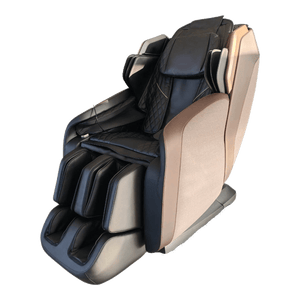
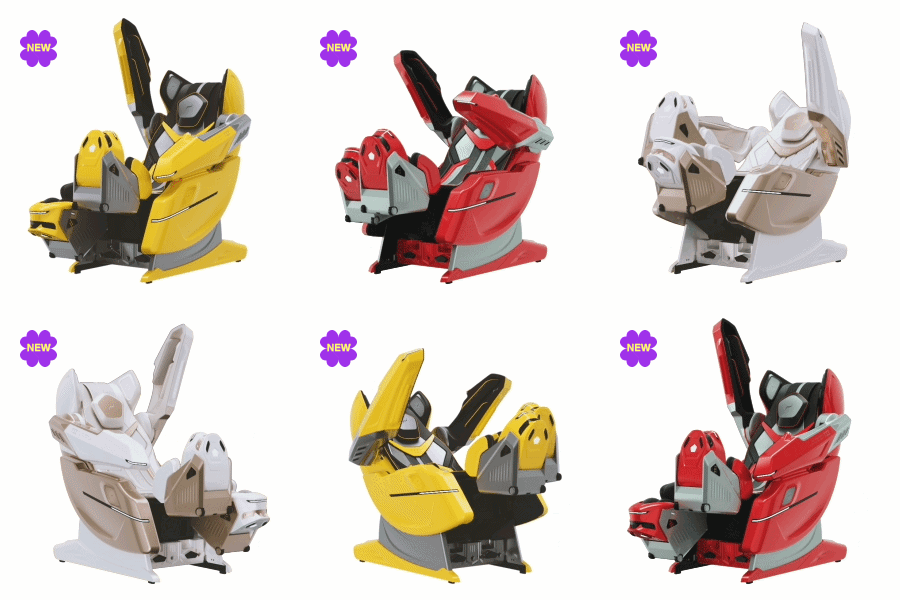
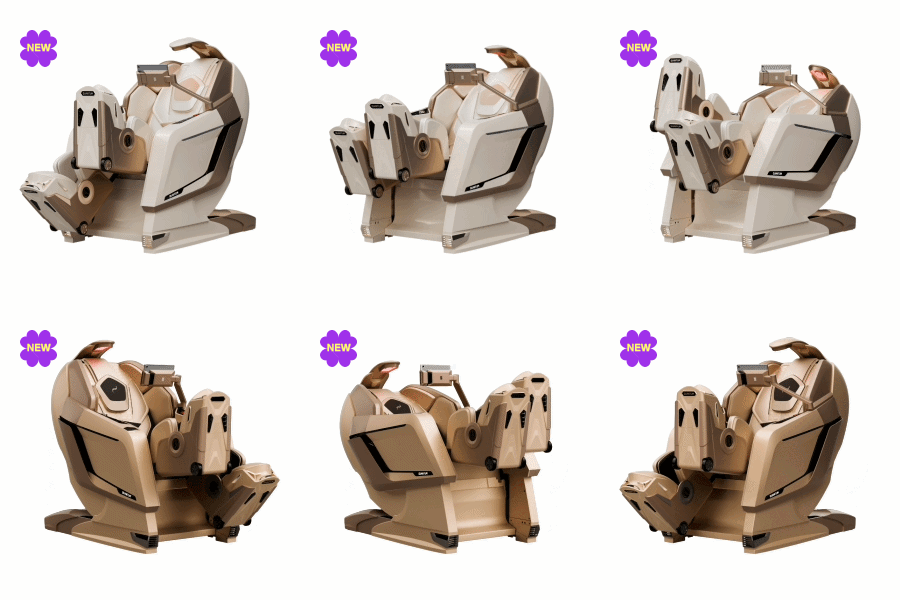
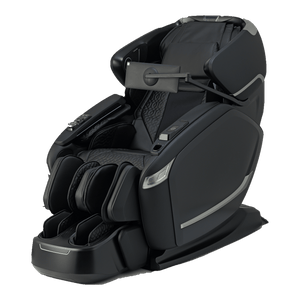




































2D and 3D Massage Techniques—What Can Massage Chairs Do?
At the end of a grueling workday—whether you’re plagued by muscle tension, have a throbbing headache, or are mentally stressed—all you want to do is get home and relax. Massage chairs, which are becoming increasingly popular, offer a very comfortable way to do just that. Rapid advancements in this field now offer numerous features with different approaches and focuses—and naturally, you’ll want to get a handle on them first. Today, we’re focusing on the different massage techniques and how they differ. So if you’ve already come across terms like 2D, 3D, or 4D massage techniques, we’ll explain what they mean. Recommended reading: From head...

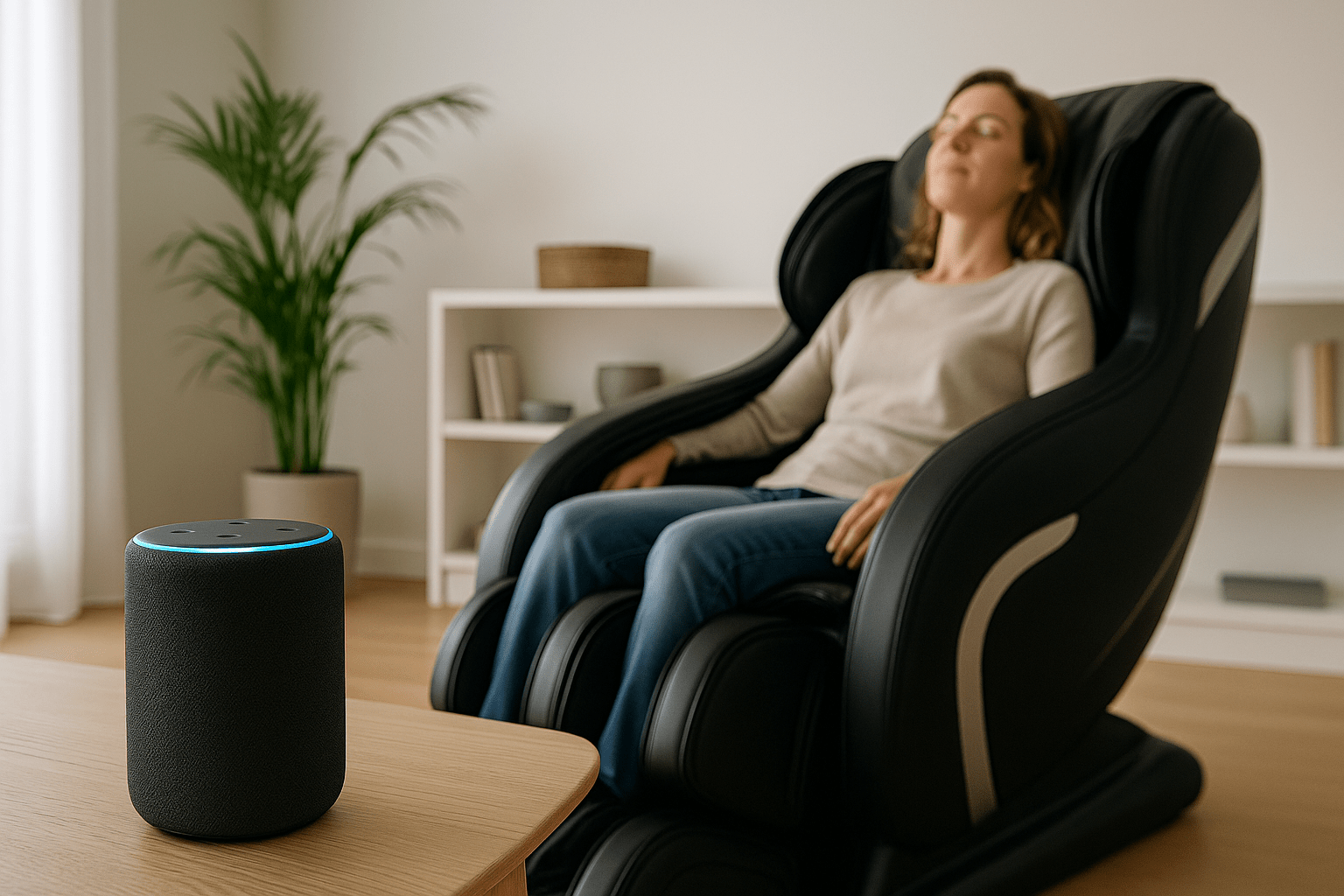
At the end of a grueling workday—whether you’re plagued by muscle tension, have a throbbing headache, or are mentally stressed—all you want to do is get home and relax. Massage chairs, which are becoming increasingly popular, offer a very comfortable way to do just that. Rapid advancements in this field have led to a wide range of features with different approaches and focuses—and naturally, you’ll want to get a handle on them all first. Today, we’re taking a closer look at the various massage techniques and how they differ. So if you’ve already come across terms like 2D, 3D, or 4D massage techniques, we’re here to explain what they mean.
Recommended Reading: From Head to Toe: How Massages Help
Massage rollers—the hands of a massage chair

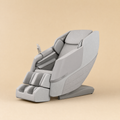
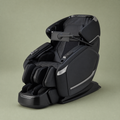
Before we get a sense of the different massage techniques, it makes sense to take a look at the technology inside a massage chair. Massage rollers are a central element here; they are, so to speak, the hands, and their movement performs the massage. What distinguishes different models from one another is, on the one hand, the number and arrangement of the massage rollers and, on the other hand, their range of motion. This is exactly where the terms “2D” and “3D” come into play.
The 2D Massage Technique
The term “2D” indicates that the range of motion of the massage rollers spans two spatial “dimensions.” In other words, the roller can move from left to right and from top to bottom. This is the simplest technical implementation, which is why it is also found in budget-friendly massage chairs. A 2D massage is therefore the minimum requirement for a massage chair.
The 3D Massage Technique
With 3D massage technology, the two existing directions of movement of the rollers are supplemented by a third. Here, the rollers are capable of moving vertically as well, not just from left to right and from top to bottom. This allows for targeted pressure to be applied to specific areas. One feature that is extremely useful in combination with 3D massages is the Body Scan function. Depending on your build and height, a scanner captures your measurements and can thus adjust the depth of the massage rollers to the correct positions.
The advantage of the Body Scan function is clearly a more personalized massage that adapts precisely to your body. After all, the neck muscles, for example, are located in a different position in a person who is 190 cm tall than in one who is 160 cm tall.
A 3D massage technique is definitely superior in quality and far superior to a 2D massage. Tailored treatments are much more effective at relieving tension and stiffness resulting from everyday life, thereby contributing more to your well-being. But the range of motion of the massage rollers alone is by no means everything.
The Arrangement of Massage Rollers – I-Track, S-Track, and SL-Track
In addition to the 2D and 3D massage techniques that a massage chair can perform, the arrangement of the massage rollers and heads also plays a major role in determining quality. There are essentially three different arrangements:
● I-Track System
● S-Track System
● SL-Track System
The first gets its name from the massage rollers arranged in a straight line. They are rigidly arranged in a single plane and do not truly adapt to the shape of the spine. The S-Track system, on the other hand, does adapt to the spine and, as the name suggests, is arranged in an S-shape, just like the human back. This ensures that pressure is distributed evenly across all areas of the spine. The SL-Track system represents a further extension of this concept. The “S” again refers to the back, and the “L” refers to at least one additional massage roller located beneath the buttocks. If you imagine a person sitting down, the massage rollers of an SL-Track system run from top to bottom along the back and then angle downward beneath the buttocks.
Here, the I-System again represents the minimum requirement, while S- and SL-Track systems can pamper you with high-quality, customized massages. The arrangement and range of motion of the massage rollers now form the basis for the various massage techniques that a massage chair can offer. We’ll turn our attention to these next.
What massage techniques can a massage chair offer?
The range of massage techniques offered by a massage chair depends largely on the basic features described above, such as the arrangement and mobility of the massage rollers. Advances in technology over the past few years have made it possible for high-quality massage chairs to replicate nearly all common massage techniques. Having your own massage chair is therefore like having your own personal massage therapist right in your own home, providing you with classic massage techniques.
● Kneading / Petrissage Massage Technique:
In this technique, the skin and muscle areas are grasped and gentle pressure is applied. This relieves tension and promotes local blood circulation.
● Rolling Massage Technique:
This massage technique is best classified as a variation of a classic massage technique. It is most similar to effleurage, in which gentle massage movements are performed parallel to the direction of the muscle fibers.
● Tapping/Tapotement Massage Technique
One of the more intense massage techniques is tapping, in which rhythmic tapping is usually performed with the edge of the hand or the palm to promote local blood circulation and increase muscle tone. This method is also frequently used before physical activity, as it increases muscle tension, promotes blood circulation, and stimulates the nervous system.
● Massage Technique: Friction (Rubbing):
Here, circular, targeted movements are performed to release knots in the muscle tissue. This method penetrates particularly deeply into your muscles, thereby relieving uncomfortable stiffness.
● Vibration Massage Technique:
Here, rhythmic movements are used to loosen muscles down to the deeper tissues. This technique is primarily used toward the end of a massage session to conclude the treatment with the greatest possible relaxation.
Using the Right Technique to Achieve Regular Well-Being
Thanks to rapid advancements in recent years, massage chairs have become true all-arounders. However, their extensive features, innovative technologies, and ability to provide customized treatments also bring a certain level of complexity. Each massage chair can therefore help you achieve different goals—whether it’s helping you relax, relieving pain, or keeping your muscles loose and ready for action as part of an active lifestyle. Take your well-being to the next level with a massage chair tailored to your needs.Co-founder and Managing Director of Massagesessel Welt. With his expert knowledge and industry experience, he helps individuals and businesses find the right massage chairs for relaxation, health, and vitality. Personalized expert consultations are available by phone or video chat, as well as at the showroom just outside Stuttgart.