

































Muscle Pain During Menopause: Causes, Symptoms, and Relief Through Massage
A whopping 650 different muscles are what enable us humans to move through our daily lives in incredible ways. The bad news is that during menopause, every single one of them can potentially be affected by pain. It’s often overlooked that hormonal changes not only affect mood but also have many other consequences. The effects extend to changes in muscle tension, which is why this topic plays a central role in our everyday well-being. In this article, we’ll focus on the widespread muscle complaints that affect women during this phase of life. We’ll not only explore the causes...

A whopping 650 different muscles are what enable us humans to move through our daily lives in incredible ways. The bad news is that during menopause, every single one of them can potentially be affected by pain. It’s often overlooked that hormonal changes not only affect our mood but also have many other consequences. The effects extend to changes in muscle tension, which is why this topic plays a central role in our everyday well-being.
In this article, we’ll focus on the common muscle-related issues that affect women during this stage of life. We’ll not only explore the causes and symptoms but also how massage can help relieve muscle pain during menopause.
Last but not least, we also want to help you recognize when it is essential to seek medical advice in order to take the right steps toward a healthy and active life. We would like to point out that this article is not a substitute for medical advice, and that individualized treatment by healthcare professionals is always recommended.
Recommended Reading: You can find out more about the many benefits of massage in our article “From Head to Toe: Here’s How Massage Can Help.”
Causes of Muscle Pain During Menopause
Menopause marks a significant transition in a woman's life, characterized by the end of her fertile years. During this time, the body undergoes numerous hormonal changes that can have far-reaching effects.
Menopause typically begins between the ages of 45 and 55, but symptoms and discomforts may appear earlier. The most common symptoms include hot flashes, sleep disturbances, and mood swings.
Many women also report that they experience muscle and joint pain all over their bodies during menopause . They describe these as pulling, stabbing, or cramping sensations. This pain is not solely due to the natural aging of muscles and tissues. Rather, the hormonal changes and fluctuations in estrogen levels play a decisive role.
How Estrogen Deficiency Can Lead to Muscle Pain
Estrogen, a hormone produced in higher amounts during a woman’s childbearing years, plays a crucial role in bone and muscle health. As a woman enters menopause, estrogen production declines, leading to a number of changes in the body. One of the more unpleasant symptoms is muscle pain, which is often accompanied by stiffness and discomfort.
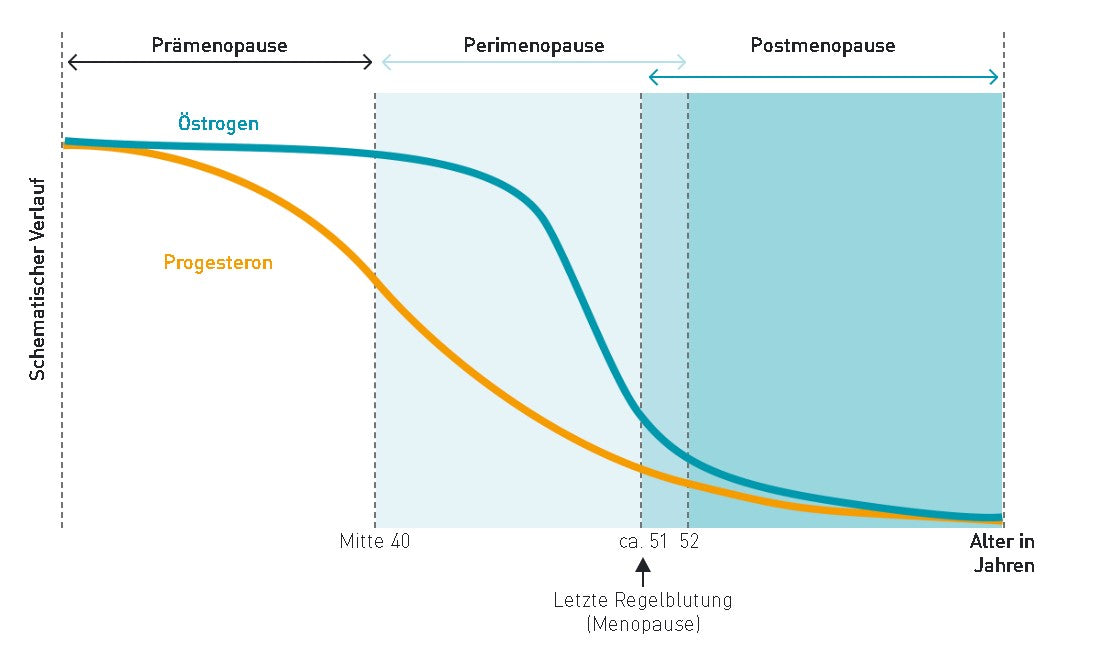
A lack of estrogen affects the function and maintenance of muscle mass and strength. This is precisely what makes muscles more susceptible to injury and pain. In addition, joints are subjected to greater strain due to the reduced protective effect of lower estrogen levels, which can contribute to conditions such as osteoarthritis and arthritis.
Recommended Reading: For more information on osteoarthritis and how massage can help relieve the pain it causes, check out our article on osteoarthritis pain.
In addition, conditions such as rheumatism, fibromyalgia, and osteoporosis—which become more common during this stage of life—can contribute to muscle pain. These conditions can be further exacerbated by a mineral deficiency.
An adequate intake of minerals such as calcium and magnesium for bone and muscle health is therefore another key factor in preventing muscle and joint discomfort during menopause.
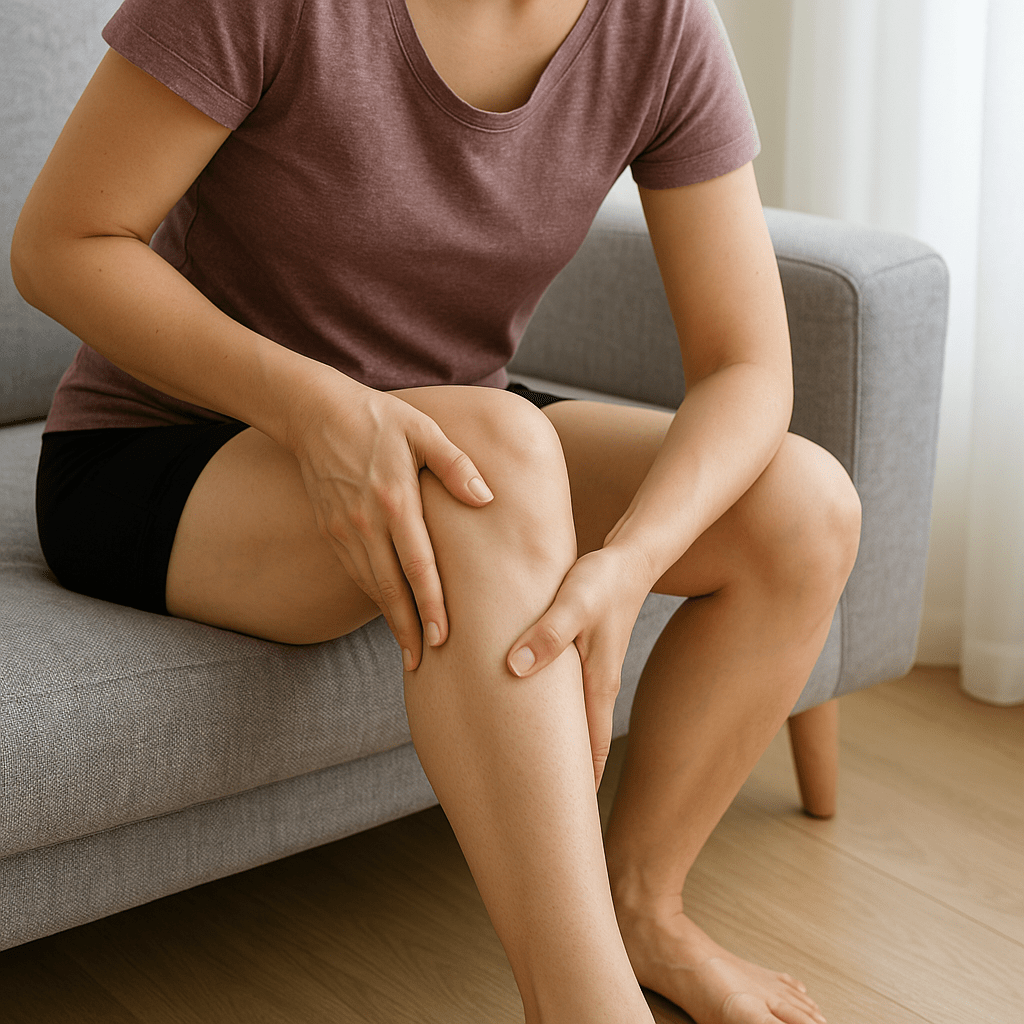
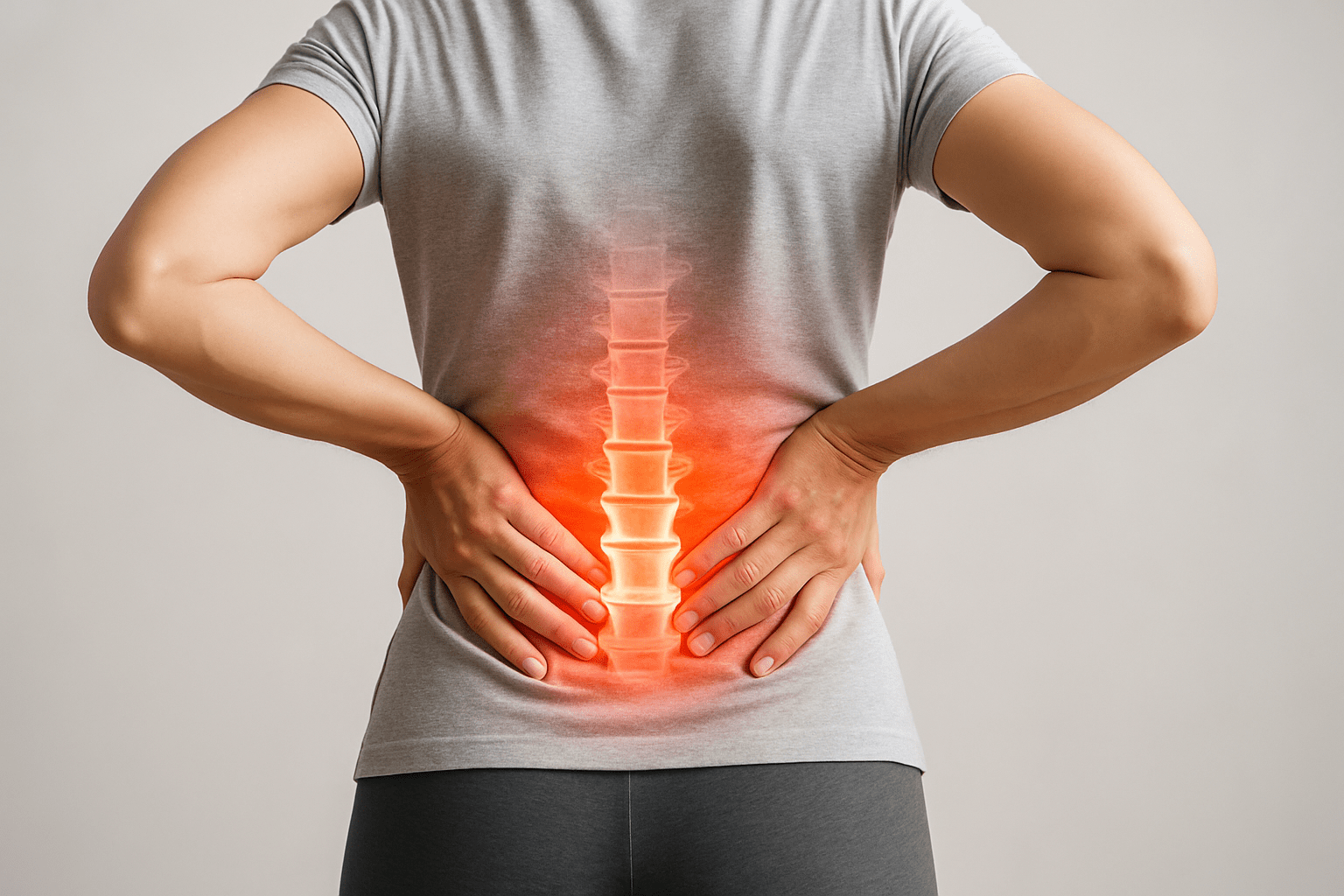
Both large and small muscles, as well as joints—including the shoulders, neck, back, fingers, and hands—are affected. In other words, nearly all areas that are particularly prone to strain from daily activities. The knees and hips are also frequently affected, which can limit mobility and significantly reduce quality of life.
When do muscle aches occur during menopause, and how long do they last?
The timing of muscle pain during menopause varies from person to person. It can begin at different times and often varies greatly in duration.
Most women notice the first signs of muscle pain during perimenopause. This is the phase just before the last menstrual cycle, when hormonal fluctuations are particularly intense. This pain can occur episodically or manifest as a persistent discomfort that lasts for years.
The duration of muscle pain can also vary widely. For some women, the symptoms subside once they have fully entered menopause, while for others they may persist, especially if they have underlying chronic conditions such as arthritis or osteoporosis. However, the intensity and frequency of the pain can also be influenced by lifestyle factors such as diet, physical activity, and stress management.
It is therefore all the more important for affected women to listen closely to their bodies’ signals and take appropriate steps to manage their symptoms and improve their quality of life. But how can they take control of their own well-being?
Strategies for Relieving Muscle Pain During Menopause
The good news is that there are several ways to manage muscle pain during menopause. These range from simple lifestyle changes to targeted treatments:
- Sports and Adequate Physical Activity: Regular physical activity strengthens your muscles, promotes flexibility, and improves blood circulation. This can help reduce pain and stiffness.
- Massages: Massage therapies can be particularly beneficial for relieving muscle tension and improving blood circulation. Techniques such as Swedish massage or gentle lymphatic drainage are ideal for reducing inflammation and improving mobility.
- Saunas and Heat Treatments: Heat helps relax muscles and relieve pain. Regular sauna visits can also improve your overall well-being.
- Healthy Eating and Vitamins: A balanced diet rich in anti-inflammatory foods and essential nutrients naturally supports muscle health as well. It can also help reduce inflammation. Vitamin D, calcium, and magnesium are particularly important for muscle and bone health.
- Stress Reduction: Stress can exacerbate muscle tension and joint pain. Techniques such as meditation, yoga, and simple breathing exercises—as well as regular massages—can help reduce stress over the long term.
- Acupuncture: This traditional Chinese medical practice can help relieve pain by stimulating specific points on the body to activate the body's natural pain-relief mechanisms.
- Herbal Remedies and Hormone Replacement Therapy (HRT): Taking natural dietary supplements can be helpful, but should always be done in consultation with a doctor. The same applies to hormone replacement therapy. Keep in mind, however, that hormone replacement therapy can increase the risk of breast cancer, strokes, or heart attacks. An individual risk assessment by a doctor is essential.
In particular, the soothing effects of massage often have a holistic impact. They address stress levels, blood circulation, and muscle tension in equal measure and can therefore make a significant contribution to relief when used as a complementary treatment.
Fight Muscle Pain During Menopause with a Massage Chair
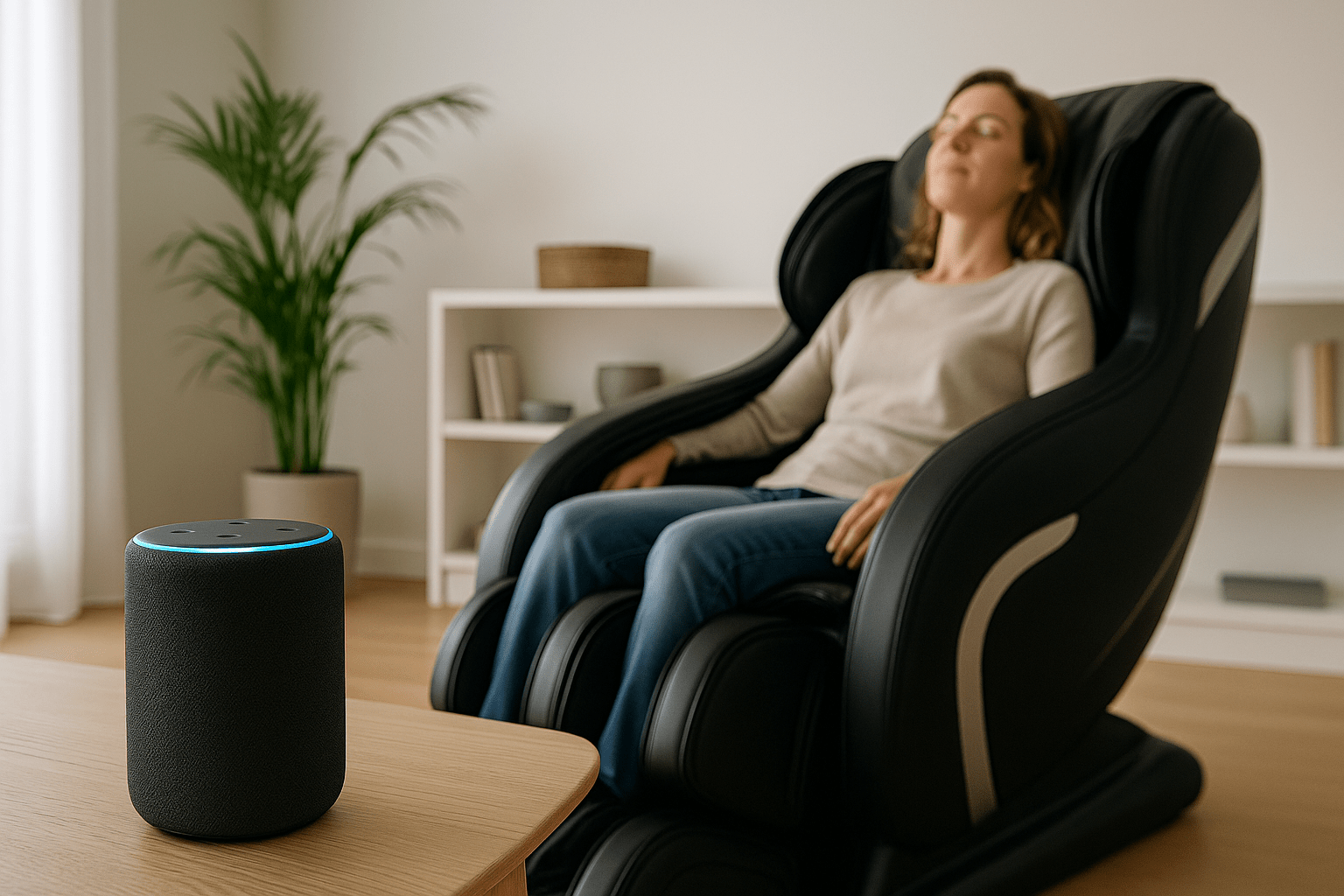
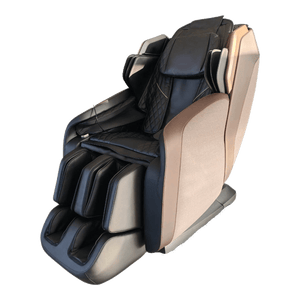
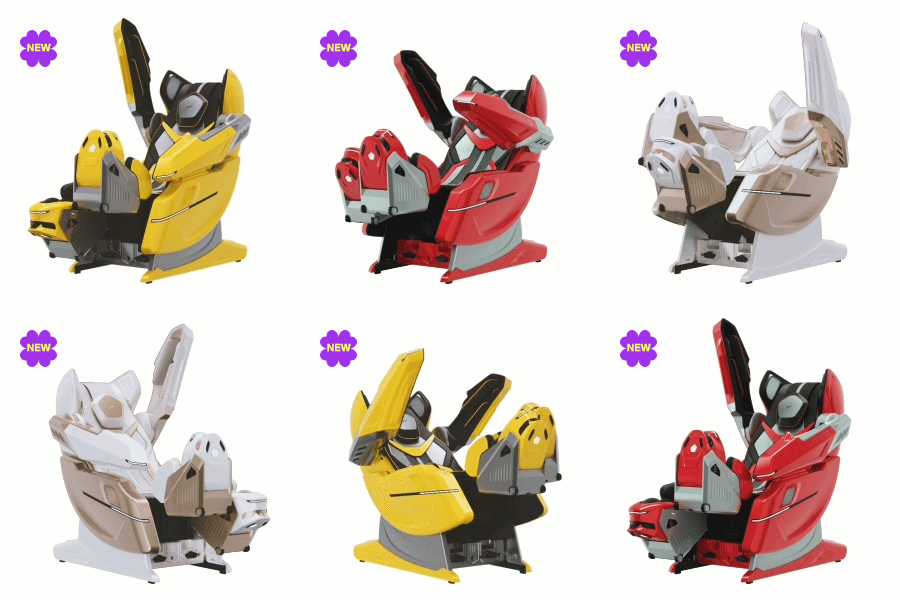
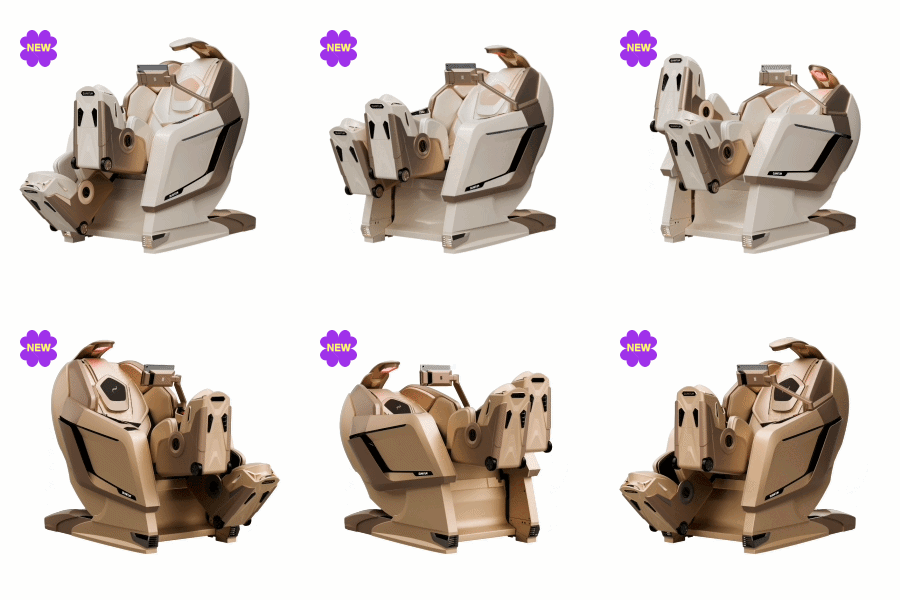
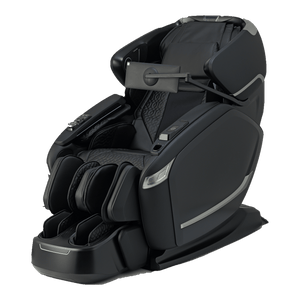
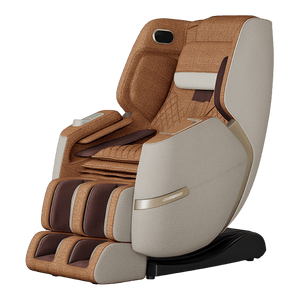
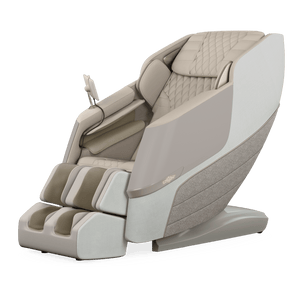
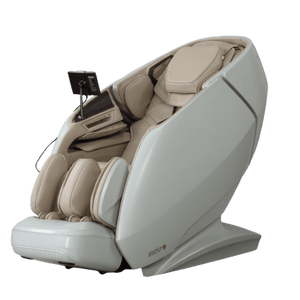
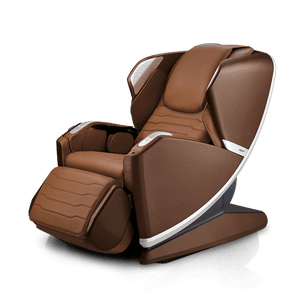
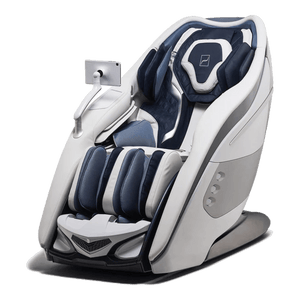
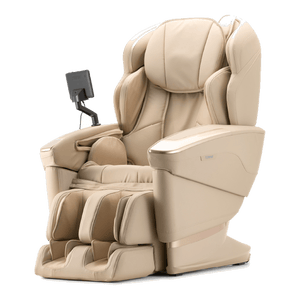
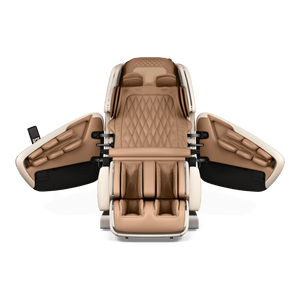
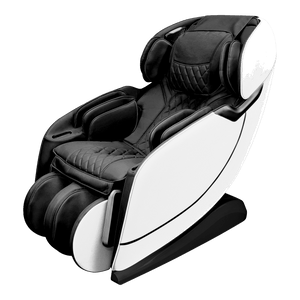
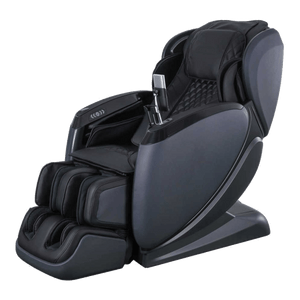
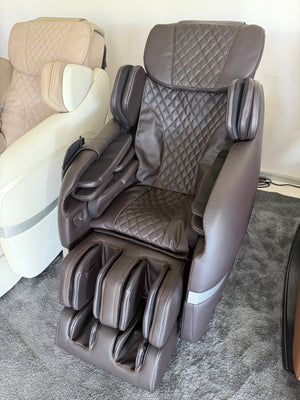
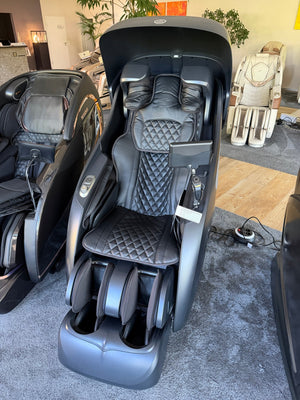
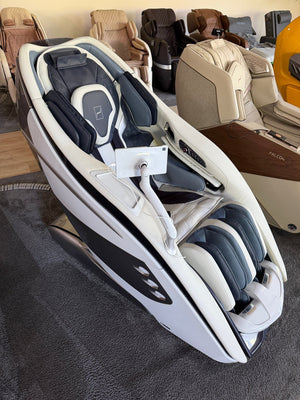
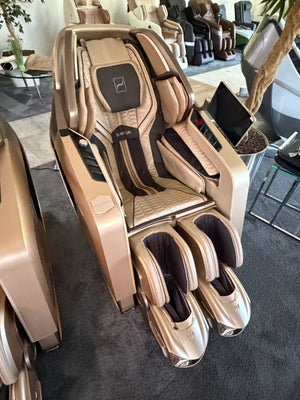
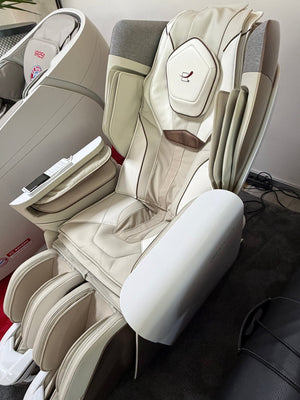
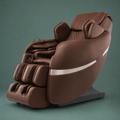
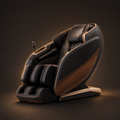
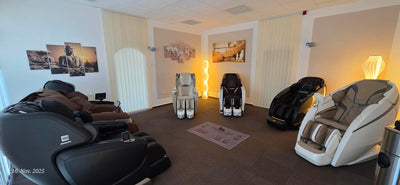
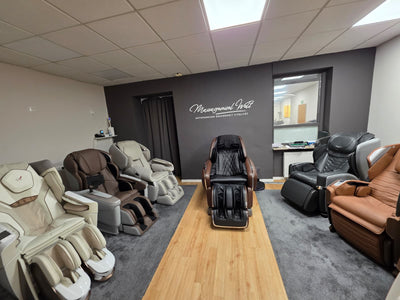
Massage chairs are an excellent complement to traditional massage methods, even during menopause. They offer a comfortable, accessible form of relaxation and therapy in the comfort of your own home.
The capabilities of these devices have advanced rapidly in recent years, to the point where many models already allow for highly personalized treatments.
There is a wide variety of massage chair models that already incorporate various massage techniques specifically designed to relieve muscle pain, improve blood circulation, and promote relaxation. Some massage chairs also offer infrared heat therapy, which is also extremely soothing for muscle pain caused by menopause.
Recommended Reading: Looking for the right massage chair? Our tips will help you make the right choice!
Massage Therapy in the Comfort of Your Own Home
Modern massage chairs offer several advantages right from the start, as they can be easily integrated into everyday life. Many models also come equipped with a variety of massage techniques, such as Shiatsu, rolling massage, kneading massage, and even air pressure massage. This allows for targeted pain relief in specific areas of the body.
Another advantage is the high level of convenience a massage chair offers in the comfort of your own home. This makes it possible to receive treatment on short notice and on an ongoing basis, without having to schedule an appointment or travel to and from a clinic. So, when needed, you can enjoy relaxation at the touch of a button, without the added stress of organizing a massage. This is a significant relief, especially when you’re in pain all over.
However, whether using traditional methods or massage chairs, it is essential to seek medical advice. It is always important to determine in advance exactly what the individual causes of muscle pain during menopause are.
Recommended Reading: For more information on the medical benefits of massage chairs, see our article “Are Massage Chairs Medically Beneficial?” .
When should you seek medical advice?
Especially if muscle pain develops for the first time during menopause, worsens, or persists, you should definitely consider seeing a doctor. So be on the lookout for signs such as:
- Pain that comes on suddenly or is very severe.
- Symptoms such as fever, unexplained weight loss, or severe redness and swelling accompanied by pain.
- No relief from common home remedies and lifestyle changes.
- Negative effects on your sleep quality.
Healthcare professionals can conduct a thorough examination to diagnose the exact cause of your pain and recommend appropriate treatment. This is the only way to ensure that the treatment is tailored to your individual needs and health conditions.
Enjoying Menopause Without Discomfort Through Mindfulness and Support
There are just under 650 muscles, nearly all of which can be affected by menopausal symptoms, and it’s up to you to take care of them all. Modern medicine and various therapeutic approaches now offer numerous ways to relieve this pain. The key is to stay active and take advantage of supportive therapies such as massages; massage chairs, in particular, help you specifically target the pain at any time in the comfort of your own home.
The foundation for all measures is understanding the causes of muscle pain and selecting the appropriate treatment methods based on that understanding. In some cases, it may be necessary to seek professional medical help, especially if the symptoms persist or are particularly severe—don’t hesitate to do so.
Even though menopause can be a challenging time, you can get through it with the right strategies and support, you can navigate this phase with fewer symptoms and an improved quality of life.
Cover image: Klara Kulikova; other images:Conscious Design
Co-founder and Managing Director of Massagesessel Welt. With his expert knowledge and industry experience, he helps individuals and businesses find the right massage chairs for relaxation, health, and vitality. Personalized expert consultations are available by phone or video chat, as well as at the showroom just outside Stuttgart.