
























































Arm Pain and Tennis Elbow: What Causes Them, and What Can Help?
The human arm has 30 muscles and more than a dozen joints—and yet, often, a single wrong movement is enough to trigger pain. Our arms are masterpieces of mobility: we write, grasp, lift, type, and screw things together—often for hours on end without a break. So it’s no wonder that overuse injuries occur frequently, especially in the elbow area. A well-known example is “tennis elbow.” But this condition is by no means limited to athletes. In this article, you’ll learn what causes these symptoms, who is particularly at risk, and what you can do yourself to prevent or relieve arm pain. A quick reading tip to start with: From head to...


The human arm has 30 muscles and more than a dozen joints—and yet, often, a single wrong movement is enough to trigger pain.
Our arms are masterpieces of mobility: we write, grasp, lift, type, and screw things together—often for hours on end without a break. So it’s no wonder that overuse injuries frequently occur, especially in the elbow area. A well-known example is the so-called tennis elbow. But this condition is by no means limited to athletes.
In this article, you'll learn what causes these symptoms, who is particularly at risk, and what you can do to prevent or relieve arm pain.
A reading tip right off the bat: From Head to Toe—How Massages Have a Holistic Effect on Your Body
But first, the basics:
What is tennis elbow (lateral epicondylitis)?
Precisely because our arms are so versatile and resilient, problems with them often go unnoticed until certain movements suddenly become painful or are no longer possible at all. The pain is particularly common on the outside of the elbow. Many people affected report a sharp, pulling pain when gripping, lifting, or twisting. Even everyday tasks like carrying a shopping bag or opening a screw-top lid can become excruciating.
In many cases, these symptoms are caused by what is known as tennis elbow, medically known as lateral epicondylitis of the humerus . This is a painful overuse injury in the area of the outer elbow. It primarily affects the tendon insertion of the forearm extensor muscles, most commonly the musculus extensor carpi radialis brevis.
The symptoms are caused by repeated micro-injuries at this tendon insertion site—a condition known as insertional tendinopathy. This microdamage leads to inflammatory irritation, which can be felt during activity or even at rest.
Contrary to its name, however, the condition has very little to do with tennis: Most patients have never even held a racket. Instead, it is caused by everyday, repetitive movements—such as typing on a computer keyboard, doing manual labor, or performing household chores—that have turned tennis elbow into a common ailment of modern times.
Common Causes of Arm Pain—Beyond Tennis Elbow
Of course, tennis elbow is a common cause of discomfort in the elbow area, but arm pain is a very complex symptom and can stem from a wide variety of sources. Depending on where the pain occurs (shoulder, upper arm, elbow, forearm, or hand), when it occurs (during movement, at rest, at night), and how it feels (sharp, dull, pulling, burning), a wide variety of causes may be possible.
To help you better understand what might be causing arm pain, here are the most common triggers, explained and categorized:
Muscle tension or muscle injuries
Often, it’s not the joints or nerves at all, but simply tense or overworked muscles that cause pain. Sitting for too long, poor posture, or intense physical exertion during sports can lead to persistent muscle tension, especially in the shoulder and neck area, which then radiates down into the arm.
Even minor muscle injuries (e.g., caused by overstretching or microtrauma during exercise) can cause pain. Typical symptoms include a pulling pain, tenderness, and sometimes a feeling of muscle soreness.
Tendonitis or tenosynovitis
If a tendon is overused, it can lead to painful tendinitis (inflammation of the tendon) or tendovaginitis (inflammation of the tendon sheath)—often in the wrist, elbow, or shoulder.
These symptoms occur particularly during repetitive activities such as typing, screwing, writing, or manual labor. The tendon becomes hot, swollen, and extremely sensitive to pressure and movement. In severe cases, movement is nearly impossible.
Joint Wear (Osteoarthritis), Arthritis
Degenerative changes, such as those that occur in osteoarthritis, often affect the shoulder, elbow, or wrist. In these conditions, the joint cartilage gradually wears away, leading to pain, stiffness, and limited range of motion. Inflammatory conditions such as arthritis (e.g., rheumatoid arthritis) are also accompanied by swelling, redness, and a general feeling of being unwell. Another typical symptom is so-called “start-up pain”—that is, pain that occurs after periods of rest.
Herniated Disc in the Cervical Spine (C-spine)
Even if the pain is in your arm, the cause may be in your neck. A herniated disc in the cervical spine can put pressure on the nerve roots that supply the shoulder, arm, and hand.
The result: radiating pain, tingling, numbness, or even loss of strength in the arm. These symptoms often worsen with certain head positions or when the arm is under strain.
Carpal Tunnel Syndrome and Other Nerve Entrapment Syndromes
In carpal tunnel syndrome, the median nerve is compressed at the wrist, usually due to repetitive strain or anatomical constriction. Those affected experience tingling, numbness, or pain in the hand (especially the thumb, index finger, and middle finger), often at night. Other types of nerve compression—for example, at the elbow (ulnar sulcus syndrome)—can also cause pain or abnormal sensations in the arm.
Circulatory disorders or thrombosis
If your arm suddenly swells, feels cold, changes color, or feels dull and painful, it could be due to a circulatory disorder or even a thrombosis—a dangerous vascular condition in which a blood clot blocks blood flow. This condition should be evaluated by a doctor immediately, as it can lead to a pulmonary embolism or tissue damage in extreme cases.
Overuse caused by repetitive movements (“mouse arm”)
People who spend a lot of time working on a computer are particularly prone to muscle and tendon irritation caused by constant, small movements, such as clicking and scrolling.
So-called “mouse arm,” also known as RSI (Repetitive Strain Injury), is a typical example of modern strain-related ailments. It manifests as pain, stiffness, or tingling, often starting in the hand and radiating to the elbow or shoulder.
Injuries or broken bones resulting from an accident
Last but not least, acute incidents such as falls, blows, or accidents can also lead to bruises, strains, dislocations, or even fractures. A broken bone isn’t always immediately visible; sometimes the only signs are swelling, bruising, and an inability to move. If the pain is very severe or occurs after a fall, be sure to have it checked by a doctor.
Be alert to sudden pain in your left arm!
One specific symptom—though extremely important, especially for men—is sudden pain in the left arm, particularly if it is accompanied by chest tightness, shortness of breath, nausea, or cold sweats. This may indicate a heart attack—an absolute medical emergency. In this case, call emergency services (112) immediately and administer first aid.
Who is particularly at risk?
Arm pain, especially that caused by overuse, doesn’t just affect elite athletes or people with physically demanding jobs. In fact, many of those affected belong to occupational or everyday groups that place what seems like “harmless” but persistent, one-sided strain on their arms.
Office workers or those working from home
People who spend hours every day working at a computer—typing, clicking, scrolling, or talking on the phone—often put repetitive, one-sided strain on the muscles in their arms and hands. Poor ergonomics, tense postures, and a lack of breaks increase the risk of muscle tension, tendon irritation, and ultimately tennis elbow or RSI syndrome (“mouse arm”).
Tradespeople, Installers, and Manual Laborers
Occupations involving heavy physical strain—such as tile setters, mechanics, or carpenters—often involve working with vibrating tools or in awkward positions. Particularly problematic are tasks that require a great deal of force in the forearm and wrist. Constantly working overhead or with heavy equipment can lead to irritation of the tendon insertions, mainly around the elbow.
Musicians
Violin, guitar, drums, or piano—many instruments require precise, repetitive movements. This places a disproportionately high strain on certain muscle groups in the arm. In addition, both professional and amateur musicians often practice extensively without allowing for sufficient recovery time. The risk of chronic overuse is high.
Athletes—not just those with rackets
Tennis, squash, and badminton are considered classic causes of tennis elbow—hence the name. However, sports such as rock climbing, rowing, weightlifting, and swimming also place significant strain on the forearm muscles. Anyone who starts without a targeted warm-up or proper technique training increases their risk of micro-injuries and tendon irritation.
People who do household chores, gardeners, and DIY enthusiasts
Chronic strain can also occur outside of work, for example, while painting, cleaning windows, weeding, or carrying grocery bags for hours on end. The repetitive strain of everyday activities is often underestimated, especially when these activities are performed in an unergonomic or one-sided manner.
Between 35 and 55 years old—the typical age
Statistics show that symptoms typical of tennis elbow most commonly occur in people between the ages of 35 and 55. Although the muscles are generally strong at this age, the elasticity of tendons and connective tissue slowly decreases, which increases the risk of injury under prolonged strain.
Symptoms: How to Recognize Tennis Elbow
Not every type of elbow pain is necessarily tennis elbow, but there are some typical warning signs you should take seriously. Tennis elbow usually develops gradually: At first, you might only feel a slight pulling sensation or discomfort during certain movements. But without targeted treatment, the symptoms can quickly worsen and eventually significantly limit your daily activities.
Pain on the outside of the elbow
The main symptom is a dull to sharp pain on the outer side of the elbow, directly above the bony protrusion known as the lateral epicondyle. Initially, the pain usually occurs only during physical activity, such as carrying, lifting, or gripping. Later, it may also be felt at rest or at night.
Support during certain movements
Typically, the pain worsens when you’re working against resistance—for example, when lifting an object, unscrewing a jar, or shaking hands. Typing or using a mouse can also trigger the pain.
Radiation to the forearm or wrist
In many cases, the pain radiates down into the forearm or wrist. This is because the affected muscles are responsible for extending the wrist and fingers. A pulling sensation along the outside of the arm may indicate that the irritation has already spread beyond the elbow joint.
Loss of strength and difficulty gripping objects
Another sign: Grasping movements become more difficult or feel unsteady; even simple everyday tasks, such as holding a cup or carrying a basket, become uncomfortable. In advanced cases of irritation, there may be a noticeable loss of strength.
Limited Range of Motion and Compensatory Posture
Many people with this condition unconsciously try to avoid movements that cause pain, which leads to compensatory postural changes. These, in turn, can trigger tension in the shoulder and neck area and cause new problems. In some cases, this can also result in a genuine restriction of movement in the elbow.
Swelling or tenderness
Occasionally, the affected area may also appear slightly swollen or reddened, especially in cases of acute inflammation. Even light pressure with a finger on the tendon insertions can cause pain.
What helps? Conservative treatments that work
First, the good news: In the vast majority of cases, tennis elbow can be treated successfully treated . The key is to take action early on and rely on a combination of rest, targeted exercises, heat, and massage and ergonomics .
Here you'll learn what really works—explained in a scientifically sound way that's practical for everyday life:
a) Self-help exercises: Active rather than passive
Complete rest is generally not advisable. Instead, experts recommend specific, active exercises that strengthen the muscles, promote blood circulation, and reduce inflammation. The following exercises have proven to be effective:
-
Eccentric exercises, such as slowly lowering a small weight with a straight wrist
-
Stretching Exercises for the Forearm Muscles (e.g., using your other hand to pull your fingers downward)
-
The classic “towel wringing””—a movement that improves grip strength and flexibility
-
Exercises with the Therabandto specifically strengthen the muscles
Tip: Do the exercises regularly, but pay attention to your body’s signals. You may feel some pulling, but it shouldn’t be very painful. If you’re unsure, it’s a good idea to see a physical therapist.
You can also find inspiration here: What helps with back pain?
b) Massage treatments: Deep relaxation
Massages are among the most popular treatments for muscle and tendon problems, and for good reason: they relieve tension, stimulate lymphatic flow, and increase blood circulation. The following are helpful for tennis elbow:
-
Classic Massages focusing on the forearm and shoulder muscles
-
Trigger Point Massages for the targeted relief of muscle tension
-
Shiatsu and deep-tissue techniques, which are also used in high-quality massage chairs
Important: Never massage directly on the inflamed tendon insertions, but rather around the affected muscles. A good complement to active exercises.
Recommended Reading:
c) Heat, Stretching, and Ergonomic Measures
Heat can work wonders, especially for chronic muscle tension: heating pads, mud packs, or an infrared sauna promote blood circulation, relax the muscles, and relieve pain. For acute flare-ups of inflammation, however, cooling is more effective—for example, using a cold pack for a few minutes several times a day.
In addition:
-
Stretch your forearm muscles regularly, especially after exercise.
-
Set Up Your Workspace Ergonomically: Make sure your desk, chair, and armrests are at the right height, and position your mouse and keyboard so that your arms remain relaxed.
-
Avoid maintaining the same posture for too long and take breaks to move around at least every 45–60 minutes.
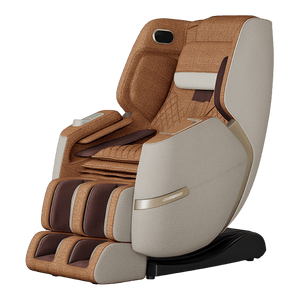
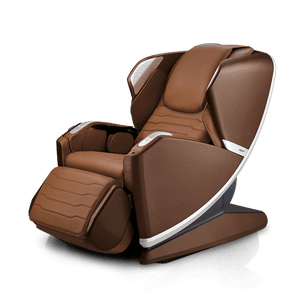
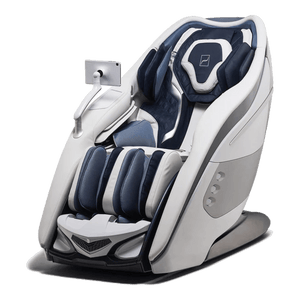
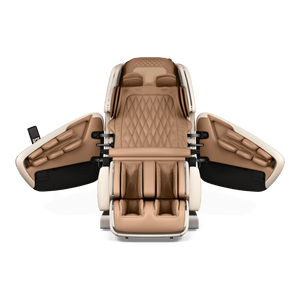
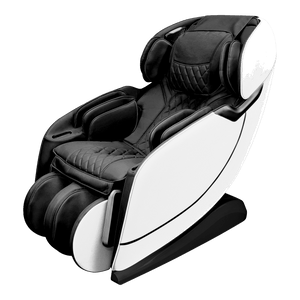
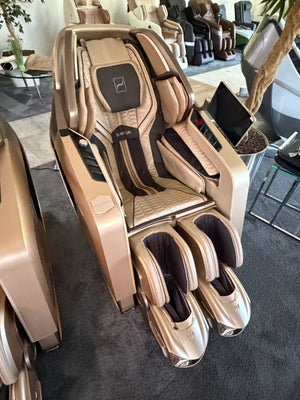
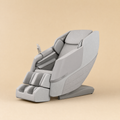
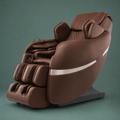
Tip for your at-home relaxation oasis: Discover the MSW 300 massage chair
Can massage chairs help with arm pain?
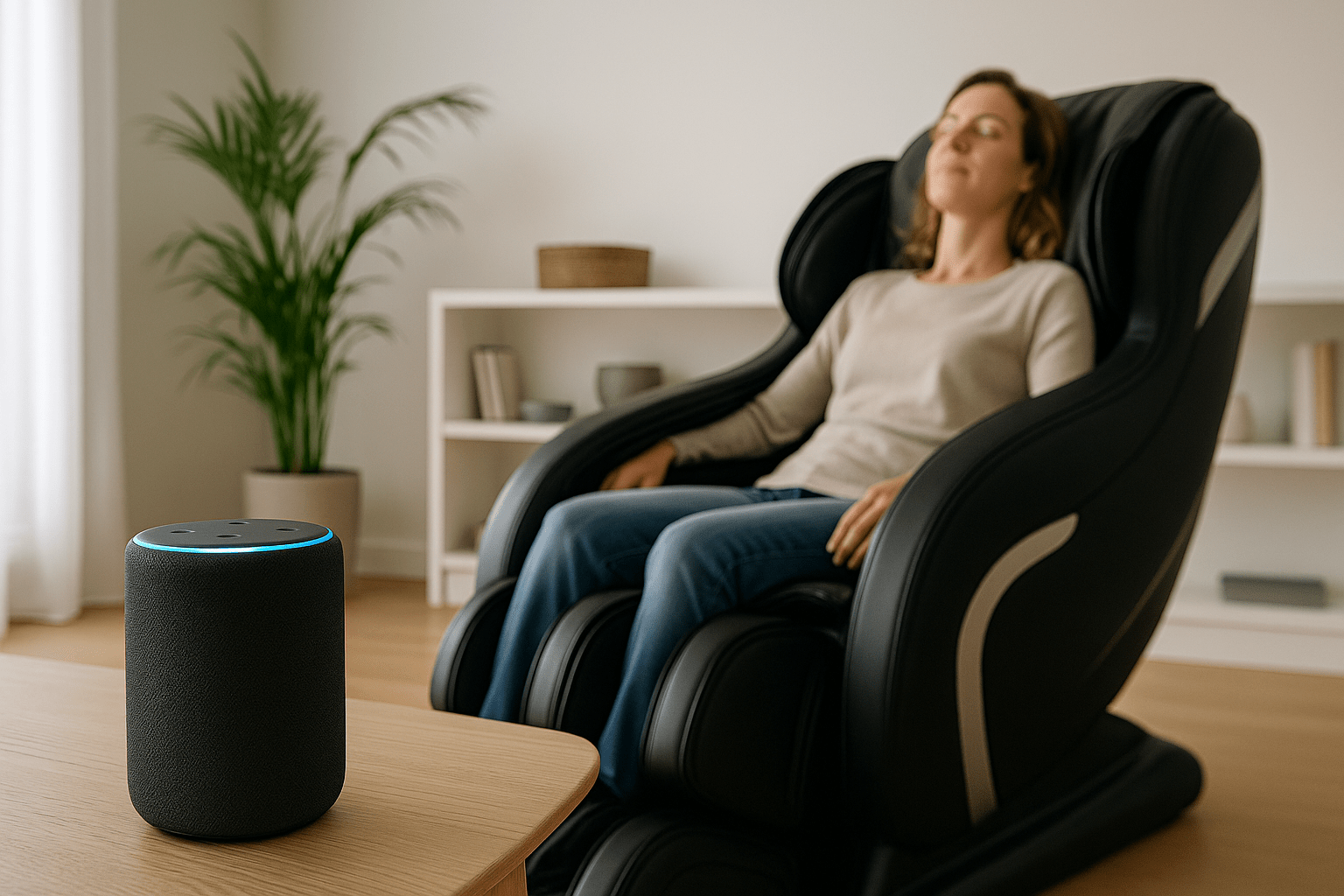
The short answer: Yes—in many cases, massage chairs can be a helpful aid in treating arm pain, especially when muscle tension is the cause or a contributing factor.
Of course, a massage chair can’t replace a physical therapist, but it offers a practical, effective, and comfortable way to regularly treat muscle tension and take preventive measures. High-quality massage chairs can make a real difference, especially for ailments caused by uneven strain or poor posture.
Here's how massage chairs help with arm and shoulder pain:
-
Targeted relaxation of tense muscle groups: Much of the pain in the arm does not originate directly in the elbow, but rather in the shoulder and neck area, where important nerves and muscles originate. Massage chairs that use Shiatsu or tapping techniques effectively relieve tension in this area and take the strain off the affected structures.
-
Promotes blood circulation: The mechanical movements and the optional built-in heat function stimulate blood circulation, thereby promoting tissue and muscle regeneration.
-
Stress Relief: Chronic stress can exacerbate muscle tension. Regular relaxation sessions in a massage chair help calm the autonomic nervous system, which often has a positive effect on physical ailments as well.
-
Long-term use at no extra cost: Having your own massage chair at home offers the major advantage of allowing you to receive regular, personalized treatments without the stress of scheduling appointments. This is a major benefit, especially for chronic conditions.
Which armchair is particularly suitable?
A good example is the MSW 300 massage chair. It combines:
-
Shiatsu Technique with Pressure-Point Massage
-
Air Pressure Massage for Shoulders and Arms
-
Heating function
-
Automatic Programs for Daily Use
An armchair like this cannot replace medical treatment—but it is an ideal complement to it, especially when it comes to prevention, recovery, and self-care.
More inspiration: Discover our health collection
When should you see a doctor?
As helpful as self-care, exercises, and massage may be, not every type of arm pain is suitable for self-treatment. There are clear warning signs that should prompt you to seek medical help without delay. This is because seemingly harmless symptoms can mask serious conditions that require a specific medical diagnosis and treatment.
Here are the most important situations in which you should definitely seek medical advice:
Sudden, severe pain—especially in the left arm
If you experience sudden, severe, and unusual pain, mainly in your left arm, possibly accompanied by chest tightness, shortness of breath, nausea, or sweating, you may be having a heart attack. In this case, call emergency services immediately (112)—every minute counts.
Sensory disturbances, numbness, or paralysis
Tingling, numbness, or even loss of strength in the arm or fingers can be signs of nerve compression or damage, such as from a herniated disc in the cervical spine or a nerve entrapment syndrome. The earlier you’re diagnosed, the better the prognosis.
Severe limitation of movement or swelling
If your arm is swollen, feels warm, or is red, and you can barely move it, you may have inflammation, bursitis, or even joint effusion. A medical examination and, if necessary, imaging (e.g., ultrasound or MRI) can help determine the cause.
No Improvement Despite Self-Treatment
If you’re already doing exercises, getting massages, or have set up your workspace ergonomically, and your symptoms still haven’t improved—or have even gotten worse—after two to three weeks, it’s time to see a doctor. Otherwise, chronic strain can become entrenched and lead to long-term problems.
Accident, fall, or external injury
If you experience pain after a fall or an impact from an external force, you should always seek medical evaluation to rule out broken bones, torn ligaments, or joint injuries. Even if you can still move your arm, that doesn't automatically mean you haven't been injured.
That’s why: It’s better to see a doctor once too often than not often enough. When detected early, many causes of arm pain can be treated effectively and with lasting results, and you’ll be back on your feet faster.
Prevention: How to Stay Pain-Free

Prevention is even better than any treatment. Many causes of arm pain—especially overuse injuries like tennis elbow—can be avoided with simple but consistent measures in daily life. If you understand your movement patterns, apply the right stimuli, and listen to your body’s signals, you can often prevent discomfort entirely or at least significantly reduce it.
Here's your personal pain-management strategy:
Stretch and strengthen regularly
Stretching exercises keep your muscles supple, prevent them from tightening, and improve your flexibility. Be sure to also do strength-training exercises to help distribute the strain more evenly, especially in your forearms, shoulders, and back. Just 5–10 minutes a day can make a difference.
Setting Up an Ergonomic Workspace
Most arm pain is caused by poor posture while sitting. Be sure to:
-
Proper table and seat height
-
Wrists in a neutral position (not bent!)
-
ergonomic mouse and keyboard
-
padded armrests
-
Regular breaks (e.g., the Pomodoro Technique: 25 minutes of work, 5 minutes of movement)
Change Your Posture and Take Breaks
Always in the same position? That’s bad for your muscles. Change your posture regularly, stretch every now and then, stand up briefly, or shake out your arms. Your muscles need these little breaks—not just when they start to hurt.
How to Grab, Lift, and Move Properly
Whether you're playing sports or carrying shopping bags: Learn the proper movement patterns to avoid putting undue strain on your body. Whenever possible, lift using your legs, not your back or just your arms. Avoid hyperextending your wrists, and avoid gripping too tightly when doing delicate work.
Warming up before exercise—even in everyday life
You shouldn't just warm up at the gym: Housework, gardening, and DIY projects also put a strain on your muscles. A short warm-up (e.g., circular arm movements, stretching) helps prevent muscle soreness and tension.
Listen to Your Body—Take Action Early
If you notice the first symptoms: Act early! Small changes, intentional breaks, and targeted relief can help prevent your symptoms from becoming “chronic” in the first place.
In conclusion: Thirty muscles, zero aches and pains—that’s the goal!
More than 30 muscles work together in your arm every day—a true masterpiece of nature. Unfortunately, they can’t handle an infinite amount of strain. But the good news is: With a little care, the right exercises, and small changes in your daily routine, you can give your arms exactly the support they deserve.
So: Don’t wait until your elbow feels like it did after a Grand Slam final—take action early on. Whether it’s targeted stretching exercises, better posture at the office, or a relaxing massage chair in the evening, your arm team will appreciate any relief.
Stay relaxed, but don't let your guard down. And remember: You don't need a tennis racket to get tennis elbow. But you also don't need a prescription to prevent it. Just a little exercise, mindfulness, and maybe a massage every now and then.
Discover supportive products and solutions in our Health Collection
Or treat yourself to deep relaxation every day with the MSW 300 massage chair
Related Articles
Note: This post is not a substitute for medical advice. If you have chronic symptoms, acute pain, or a diagnosed medical condition, you should consult your doctor or therapist before using this method if you have any doubts.
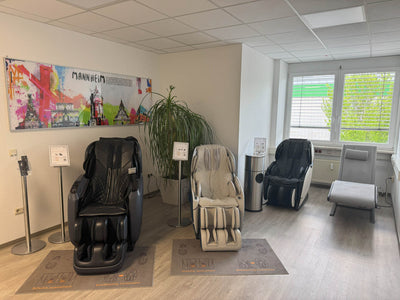
Co-founder and Managing Director of Massagesessel Welt. With his expert knowledge and industry experience, he helps individuals and businesses find the right massage chairs for relaxation, health, and vitality. Personalized expert consultations are available by phone or video chat, as well as at the showroom just outside Stuttgart.