

























































Living with Neuropathic Pain – What Really Helps with Central Pain Syndrome
A ray of sunlight that feels like fire. A gentle touch that stings like a needle. For people with central pain syndrome, such stimuli are part of everyday life. What others barely notice becomes a constant burden for them. What is happening here? The nervous system sends warning signals—seemingly for no reason and without any trigger. This is a disorder of stimulus processing, deep within the brain or spinal cord. Why does this happen? And what can help when pain becomes a chronic condition? We explain this and more in this article. Note: This article is for informational purposes only and is not a substitute for a medical diagnosis or treatment. If you have any health concerns...

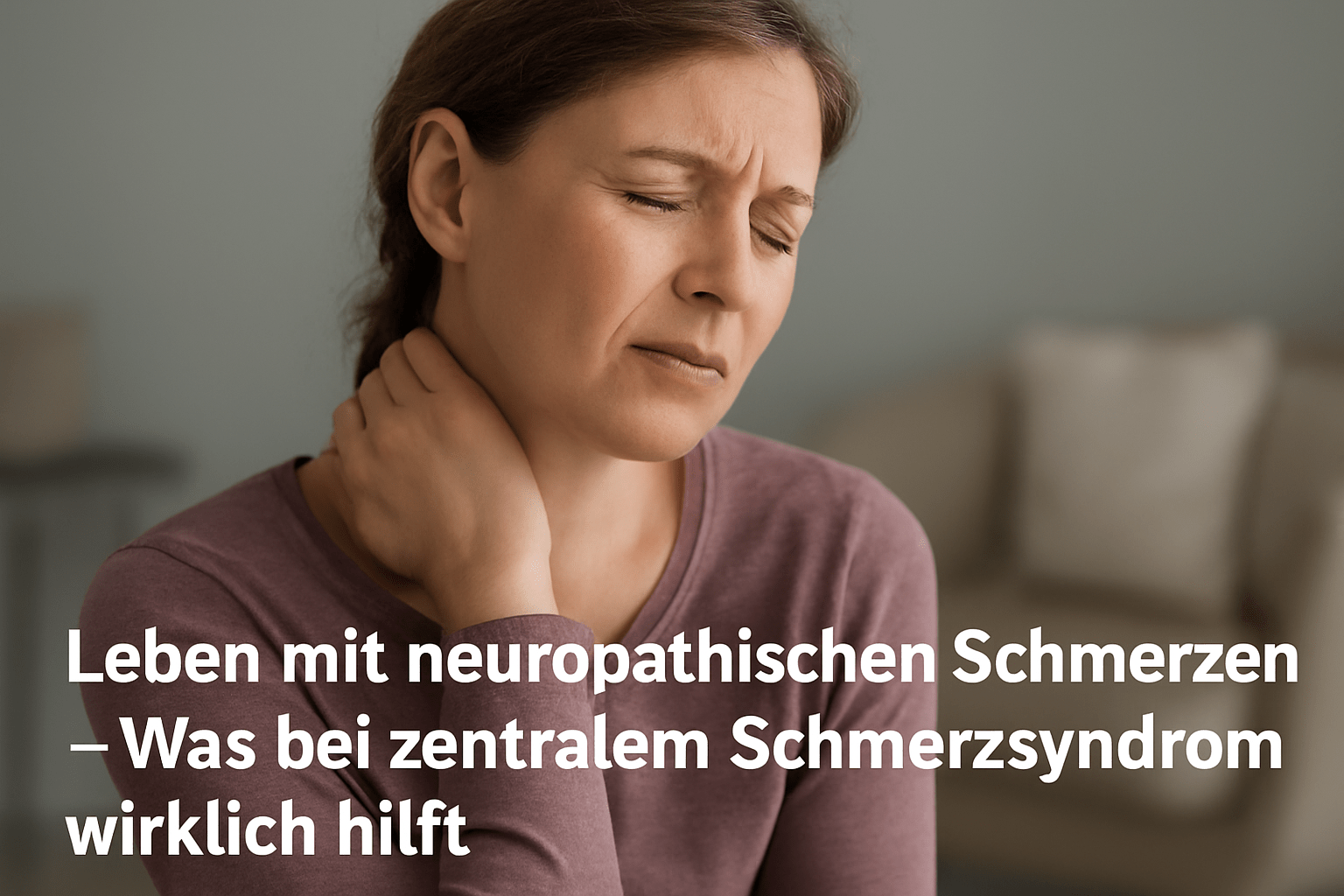
A ray of sunlight that feels like fire. A gentle touch that stings like a needle. For people with central pain syndrome, such stimuli are part of everyday life. What others barely notice becomes a constant burden for them. What is happening here?
The nervous system sends warning signals—seemingly for no apparent reason and without any trigger. This is caused by a disturbance in the processing of stimuli deep within the brain or spinal cord.
Why does this happen? And what can be done when pain becomes chronic? We’ll explain that and more in this article.
Note: This article is for informational purposes only and is not a substitute for a medical diagnosis or treatment. If you have any health concerns, please consult a healthcare professional.
If you’d like to know which conditions massages can specifically help with, you’ll find practical answers in the article“From Head to Toe—Here’s Where Massages Help.”
When the nervous system switches to pain mode—and can't find its way back
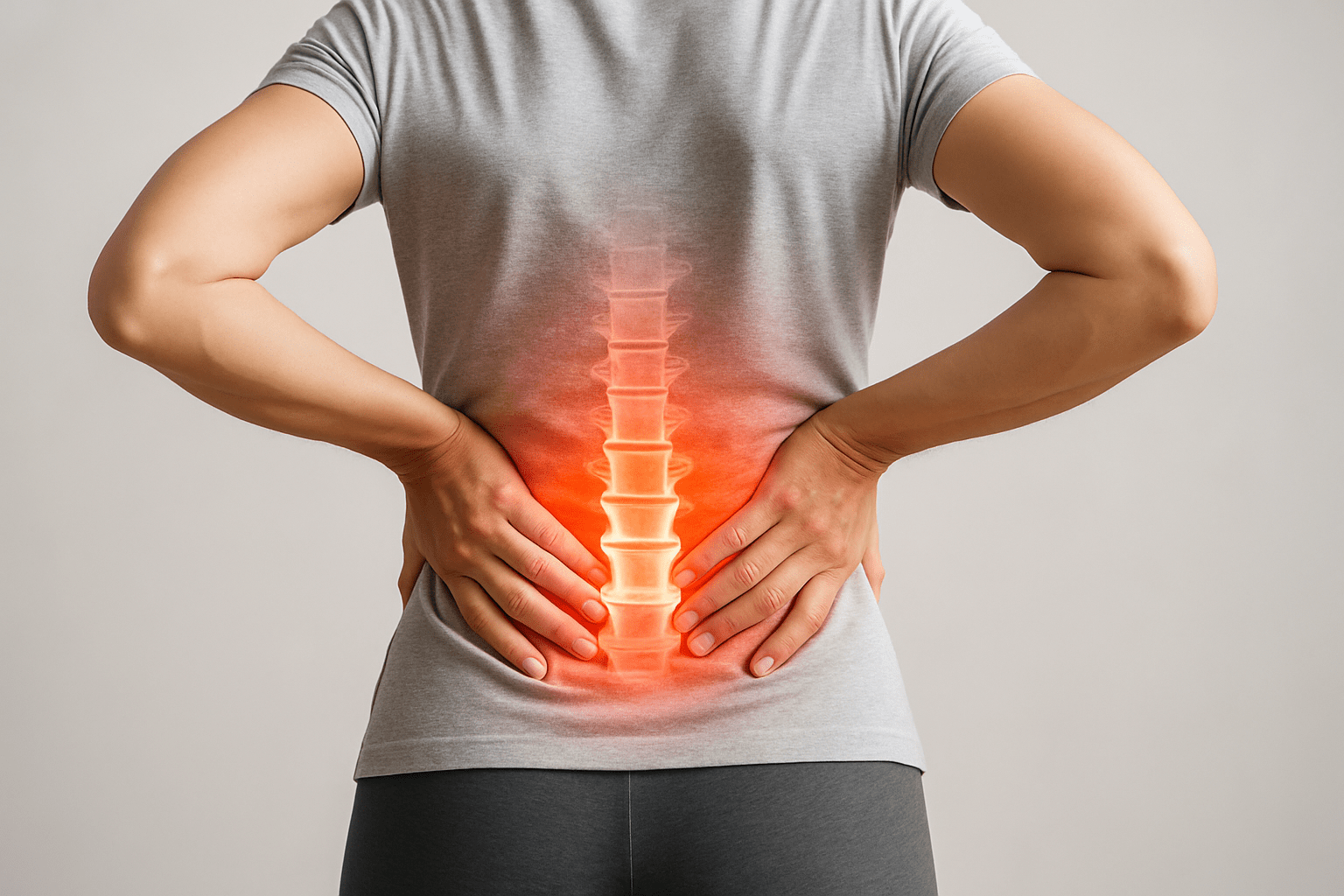
Central pain syndrome (CPS), also known as neuropathic pain, is a form of chronic nerve pain that does not originate in injured muscles or joints—but rather in the brain. More specifically: in the central nervous system.
It often occurs following neurological events such as a stroke, in cases of multiple sclerosis, or as a result of spinal cord injuries.
The result: The body sends continuous pain signals even though there is no longer an acute cause. Typical symptoms of neuropathic pain include burning, stabbing, or electric-shock-like sensationsthat may occur suddenly or persist over time. Those affected also often report tingling, numbness, or hypersensitivity to touch. Sometimes even light contact with clothing or a draft can trigger severe pain.
For many people, this is hard to understand—after all, you can't see the pain. And yet it is real. It affects mobility, sleep, mood—and social life.
The good news: Even though medication is often not enough, complementary approaches such as targeted exercise, massage, or assistive technologies can help people live better with the condition. That’s exactly what this article is about.
How does a central pain syndrome develop—and what happens in the body during this process?
When the Brain “Thinks Through” the Pain
Pain normally protects us: It signals danger and motivates us to take it easy. But in central pain syndrome, this mechanism has taken on a life of its own. Injuries or illnesses then cause pain signals to be processed incorrectly on a permanent basis—even long after the original cause has subsided.
This is referred to as a processing error in the central nervous system. It can lead to sensory overload: harmless touches, changes in temperature, or even clothing against the skin are then perceived as extremely painful. The pain pathway is permanently “activated”—with no way to turn it off. This is extremely distressing.
Difference from peripheral nerve pain
In any case, it is also important to distinguish this from peripheral nerve pain, such as that which occurs after a herniated disc or a pinched nerve. In such cases, the cause is usually located in a specific area of the body. With central pain, the problem lies in the brain or spinal cord.
Common triggers include:
-
Strokes, especially when areas such as the thalamus or sensory pathways are affected.
-
Multiple Sclerosis, caused by inflammation in the central nervous system
-
Paraplegia or Spinal Cord Lesions
-
Brain injuries following accidents or surgeries
-
Also diabetes or shingles can damage nerves and thus trigger this type of pain.
Since this pain is neurologically based, it often responds only to a limited extent to traditional pain relievers. This makes it all the more important to take a broader view of supportive strategies—from relaxation techniques and body awareness to massages that can specifically target the nervous system.
Recommended Reading: You can learn more about approaches to pain management in our article:“Pain Management—Understanding Pain and Improving Quality of Life”
Symptoms & Typical Descriptions of Neuropathic Pain

The treatment of central pain syndrome usually requires a holistic approach. Medications such as antidepressants or anticonvulsants are sometimes used to dampen the brain’s overactive pain perception—though, of course, this does not lead to a cure. A combination of different methods is often necessary to achieve relief.
Physical therapy, occupational therapy, and exercise therapy play an important role. In addition, psychological support helps patients learn to live better with pain, structure their daily lives, and cope with emotional stress—because chronic pain affects the mind at least as much as it does the body.
For this reason, multimodal pain management in particular has proven effective. This is an interdisciplinary approach that combines medical, therapeutic, and psychosocial treatment. The goal is not only to treat the pain, but also to make life worth living again—step by step, tailored to the individual, and with realistic expectations for the treatment.
What helps with neuropathic pain?
There are hardly any one-size-fits-all solutions here. The causes, manifestations, and personal experiences vary too widely. What brings relief to one person may have little effect on another. This makes a multimodal approach—one designed to address various levels—all the more important.
Medications—important, but often not enough
Treatment typically begins with medication. The main drugs used are antidepressants, anticonvulsants (which have a pain-relieving effect on overactive nerve cells), and pain relievers. These are intended to reduce the abnormal processing of stimuli in the central nervous system.
However, many people with this condition report that medication is rarely sufficient or is associated with unwanted side effects. For this reason, modern pain management approaches also rely on physical therapy, occupational therapy, and psychological support.
Exercise, Therapy, Support—The Multimodal Approach
Exercise can help “rewire” the body, strengthen muscles, and improve the body’s ability to process stimuli. Talking with a psychotherapist can also be helpful—not because the pain is “imaginary,” but because chronic pain also takes a heavy toll on mental health.
Specialized pain clinics therefore often offer this type of multimodal pain therapy, with the goal of equipping patients with new tools for everyday life.
What Can People with Central Pain Syndrome Do Themselves? – Strategies for Everyday Life
Even though central nerve pain can’t simply be “trained away,” there are many ways to actively manage it.
-
Movement within a pain-free range helps to restructure the nervous system.
-
Relaxation Techniques such as breathing exercises, progressive muscle relaxation, or mindful bodywork can relieve tension and positively influence how the brain processes stimuli.
-
Stimulus Reduction plays a major role: Some people with this condition benefit from consciously avoiding loud noises, bright lights, or rough clothing. These are all stimuli that can further overwhelm the sensitive nervous system.
-
Massages: A gentle form such as Shiatsu can help calm the nervous system. It promotes blood circulation, relieves mild tension, and creates gentle stimulation that can override the sensation of pain. Many people report relief, especially in the neck and shoulder area, because targeted massages can help relieve neck pain and soothe the nervous system.
Recommended Reading: You can find out more about the effects of massage on the nervous system in our article“How Massage Affects the Nervous System.”
Massage Chairs to Help Relieve Chronic Nerve Pain
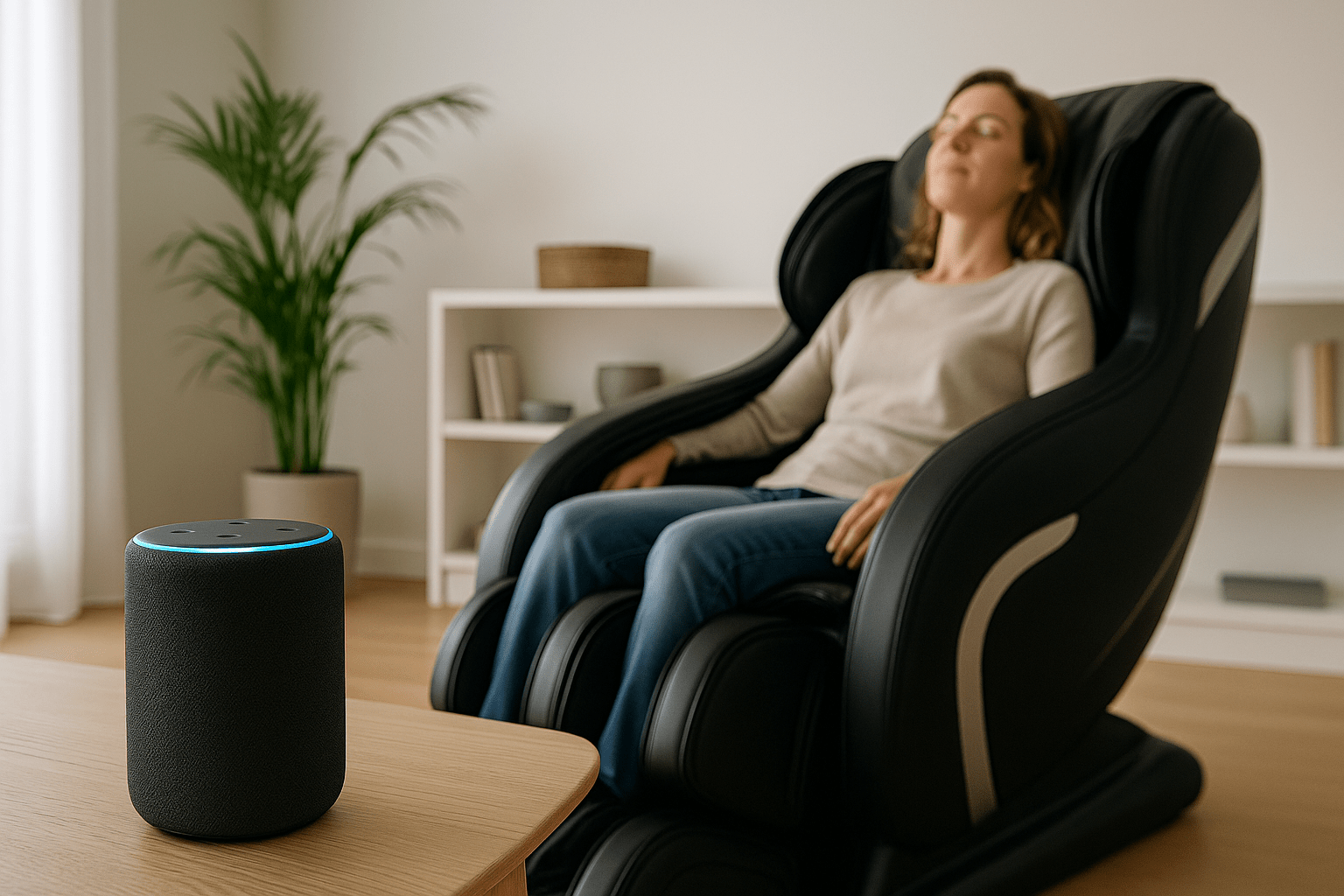
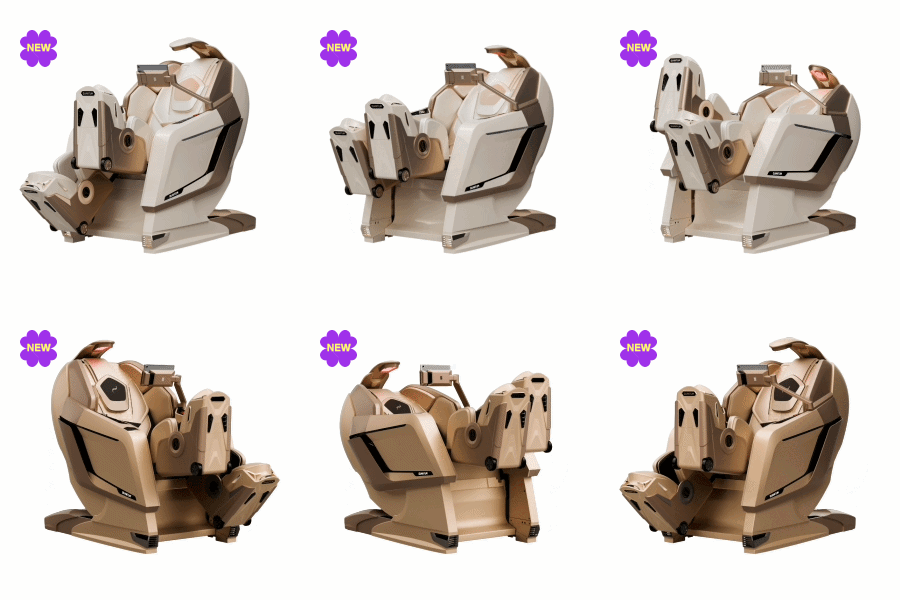
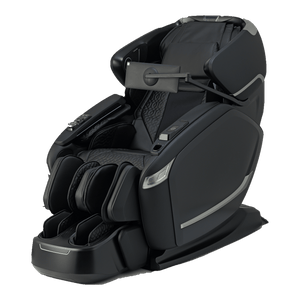
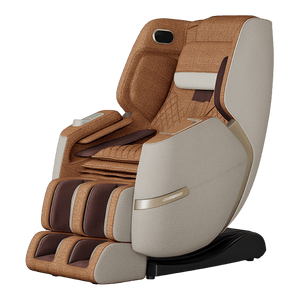
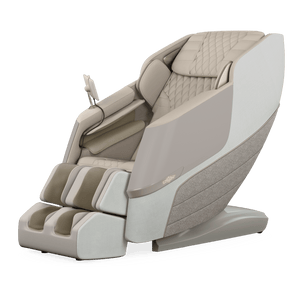
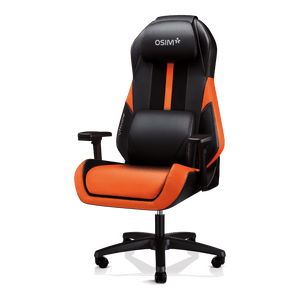
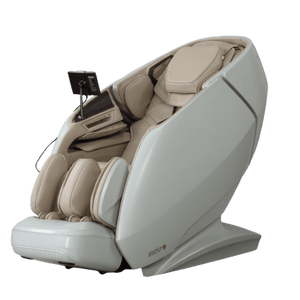
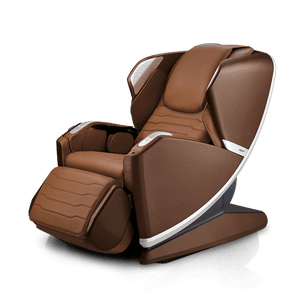
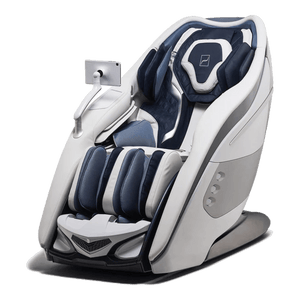
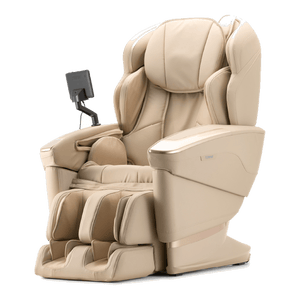
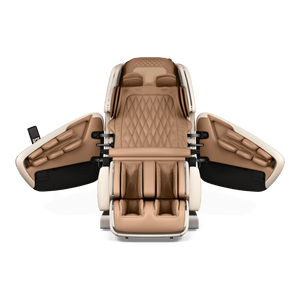
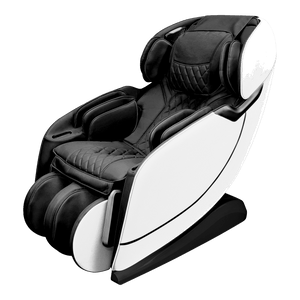
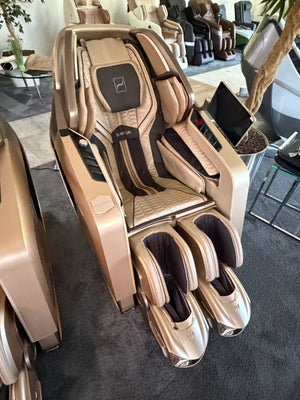
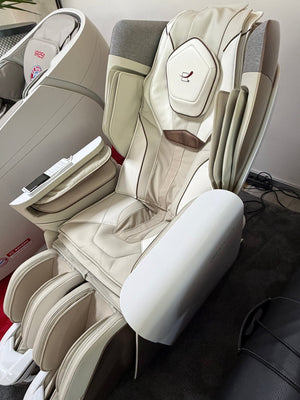
In some cases, massage chairs can therefore be a gentle yet effective aid in managing daily pain. Their flexibility in everyday use, in particular, offers significant benefits. Of course, they are no substitute for medical treatment, but they provide a way to experience physical and emotional relaxation in the comfort of your own home.
What makes it special: The adjustable intensity allows you to adjust the treatment to how you’re feeling that day—gently, without pressure, and without physical exertion. Air pressure massages using airbags envelop your arms and legs with steady pulses, heat functions soothe overstimulated nerve pathways and help reduce muscle tension. All of this happens passively, without you having to do anything—ideal for times when pain is overwhelming.
Models that are designed with sensitive users in mind are particularly suitable—such as the MSW-300, which stands out for its gentle pressure distribution and adjustable massage programs. In addition to massage chairs, tools such as the massage gun can also provide targeted stimulation—though use caution on very sensitive areas.
Note: You can also find an overview of suitable massage chairs in our Health Collection, which is specifically designed to meet therapeutic needs.
Understanding Pain—and Finding New Approaches
A diagnosis of “central pain syndrome” is a life-changing event that can turn daily routines upside down. Optimism and understanding are therefore essential for regaining control. If you understand what’s happening in your body, you can take targeted steps to counteract it. Whether after a stroke, with MS, or with chronic nerve pain—unfortunately, there’s no one-size-fits-all solution, but there are many small adjustments you can make.
Massage chairs are just one example, and they aren’t part of conventional medicine—yet many people find them to be a valuable source of support in their daily lives. They offer calm, structure, and sensory stimulation that can help the nervous system relax. Perhaps that’s exactly what you need to get back to your daily routine—not because the pain goes away, but because you decide how to deal with it.
Tip: Take a look at our section “Massage Chairs for Health & Rehabilitation” is well worth it—there you’ll find models designed specifically for sensitive needs.
Co-founder and Managing Director of Massagesessel Welt. With his expert knowledge and industry experience, he helps individuals and businesses find the right massage chairs for relaxation, health, and vitality. Personalized expert consultations are available by phone or video chat, as well as at the showroom just outside Stuttgart.