




















































The Path to Recovery: Scoliosis Treatment
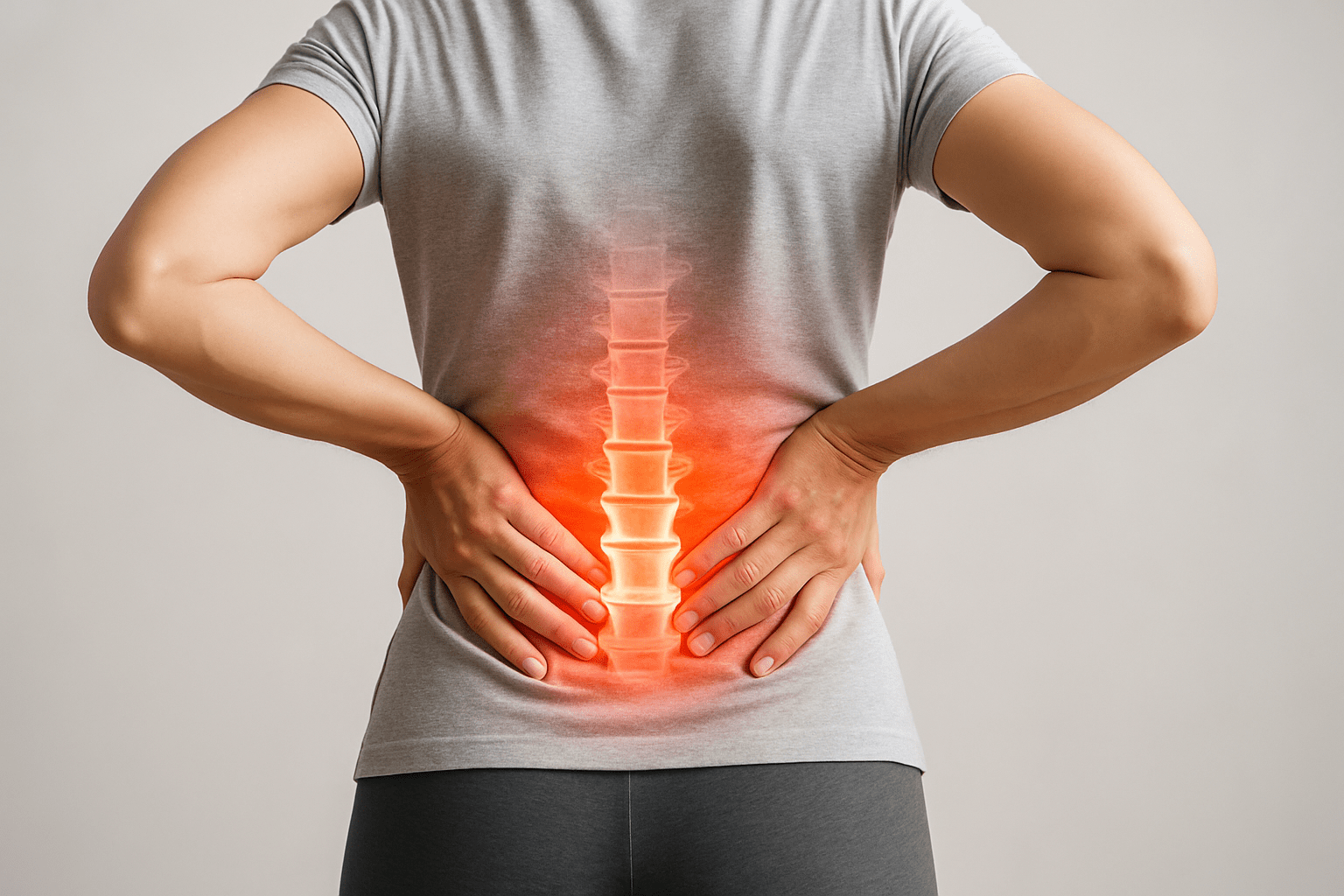
Have you ever thought about the impressive performance of our spine? The miracle it accomplishes every single day? Thanks to its unique shape, and with the help of our intervertebral discs, it is able to cushion the shocks caused by our movements and compensate for uneven stress. The lumbar spine can even withstand pressure of up to 1.5 metric tons—equivalent to the weight of a small car. This astonishing ability highlights the strength and resilience of our back, but what happens when things get out of balance? In this article, we’ll dive into the world of scoliosis therapy, a field that addresses the challenges and solutions for...


Have you ever thought about the impressive performance of our spine? The miracle it performs every single day? Thanks to its unique shape, and with the help of our intervertebral discs, it’s able to cushion the shocks caused by our movements and compensate for uneven stress. The lumbar spine can even withstand pressure of up to 1.5 metric tons – which is equivalent to the weight of a small car.
This amazing ability highlights the strength and resilience of our backs, but what happens when things get out of balance? In this post, we’ll dive into the world of scoliosis therapy, a field that addresses the challenges and solutions for one of the most complex parts of the human back: the spine.
Learn how scoliosis is diagnosed and treated. Let’s take a look at the symptoms it causes and how modern therapies can help improve the well-being of those affected. The complementary benefits of massage also demonstrate once again how massages can help from head to toe .
What is scoliosis, and what are its symptoms?
Scoliosis is more than just a simple curvature of the spine. Rather, it is a complex condition in which the spine exhibits not only a curvature but also a twist. The spine of a person with scoliosis not only leans to one side but also exhibits rotation of the vertebral bodies, accompanied by axial twisting of the shoulder girdle relative to the pelvis. Unfortunately, even with modern treatments, this complex deformity cannot be completely corrected.
What are the consequences of untreated scoliosis?
The importance of early detection cannot be overstated, because untreated scoliosis continues to progress and can lead to significant complications in adulthood. Depending on the severity of the curvature, these complications may include limited mobility and pain, as well as impaired function of the lungs, heart, and other organs.
Severe curvature can deform the chest cavity, leaving less room for the lungs to expand and making breathing more difficult. Similarly, the increased pressure in the chest area can strain heart function, potentially leading to cardiovascular problems. These are disorders of the cardiovascular system that impair cardiac output and blood circulation.
The Different Forms of Scoliosis
The symptoms caused by scoliosis are also related to the various degrees of severity and forms of the condition:
- Thoracic scoliosis affects the thoracic spine
- Lumbar scoliosis of the lumbar spine
- Thoracolumbar scoliosis in the transitional region.
To maintain stability despite scoliosis, the body sometimes develops an additional curve that runs in the opposite direction of the first one. This helps keep the body upright and balanced.
But why does scoliosis develop in the first place?
Causes of Scoliosis – What causes the spine to curve?
In fact, the cause of scoliosis remains unknown in many cases. Experts agree only that the condition has complex underlying causes. In 80–90 percent of diagnosed cases, scoliosis is classified as idiopathic, which means that the cause of the condition is unclear.
Some theories consider factors such as genetic conditions, hormonal fluctuations, and neurological and muscular disorders. A better understanding of risk factors can be crucial to identifying effective preventive measures and developing personalized treatment plans.
Is scoliosis a matter of age?
Scoliosis can affect people of all ages, but it is most commonly diagnosed in children and adolescents, particularly between the ages of 10 and 15, during periods of rapid growth. Monitoring is especially important during this stage of life, as the spinal curvature can progress rapidly.
Although girls and boys may be affected equally often at a young age, studies show that girls are at higher risk of developing progressive forms of scoliosis as they grow. Adults can also be affected by scoliosis; in these cases, it is often referred to as degenerative scoliosis, which develops as a result of the spine’s natural aging process. Generally speaking, the chances of successful correction are greater in children and adolescents than in adults.
Regardless of age, the sometimes serious consequences underscore the fact that a medical examination should be conducted sooner rather than later in order to take full advantage of diagnostic and treatment options.
How is scoliosis diagnosed?
The diagnosis of scoliosis often begins with the observation of typical patterns of spinal curvature. These patterns can vary, with the most common form being an S-shaped or C-shaped curvature. In Germany, scoliosis is a widespread condition that affects about 3 to 5 percent of the population.
To diagnose scoliosis, doctors rely on a combination of physical examinations and imaging techniques such as X-rays, magnetic resonance imaging (MRI), or computed tomography (CT). During the physical examination, the doctor assesses the body’s symmetry and examines the spine both while the patient is standing and when bending forward. This allows them to determine the extent of the curvature and select the appropriate form of treatment.
To receive a diagnosis of “scoliosis,” the spine must have a curvature of at least 10 degrees. This is measured using the Cobb method. In this method, the most tilted vertebrae at the beginning and end of the curvature are identified on an X-ray, and the angle between them — the so-called Cobb angle – is calculated to precisely determine the severity of the scoliosis.
Specialist care is important for scoliosis
The first point of contact if scoliosis is suspected may be your family doctor or pediatrician, who will refer you to an orthopedist if any noticeable symptoms are present. Orthopedists are responsible for the comprehensive evaluation and treatment of scoliosis. They develop a personalized treatment plan.
If necessary, neurosurgeons, physical therapists, and pain specialists can also be consulted to ensure an interdisciplinary treatment plan that meets the patient’s needs and improves their quality of life.
Scoliosis Treatment: What Treatment Options Are Available?
Treatment for scoliosis is therefore tailored to each individual and includes a wide range of options designed to slow the progression of the curvature. These may include the following forms of therapy:
- Physical Therapy is a central component of scoliosis treatment, which uses customized exercises to strengthen the back muscles and improve posture. Specific exercise programs are designed to promote muscular balance and minimize spinal curvature.
- Brace therapy is often used in children and adolescents to monitor spinal growth and prevent the curvature from worsening. A custom-fitted brace helps to align the spine in a more correct position.
- Plaster cast therapy is another treatment option, particularly for progressive cases in younger patients, in which the goal is to achieve gradual correction of the spine through regular adjustments to the cast.
- In more severe cases of scoliosis, surgical treatment may be necessary. This can range from spinal fusion to modern correction systems—such as screws, growth rods, or straps—to stabilize the spine.
- Clamp techniques offer a less invasive treatment option by targeting specific areas of the spine without surgery.
After treatment, rehabilitation is crucial for achieving the best possible results and improving the spine’s function. Physical therapy exercises and sports play an important role in strengthening the back muscles and increasing flexibility.
In addition, pain management is an important aspect of treatment that can include both medication-based and non-medication-based approaches. It helps those affected manage pain in their daily lives, which is so important.
How can massage help with scoliosis?
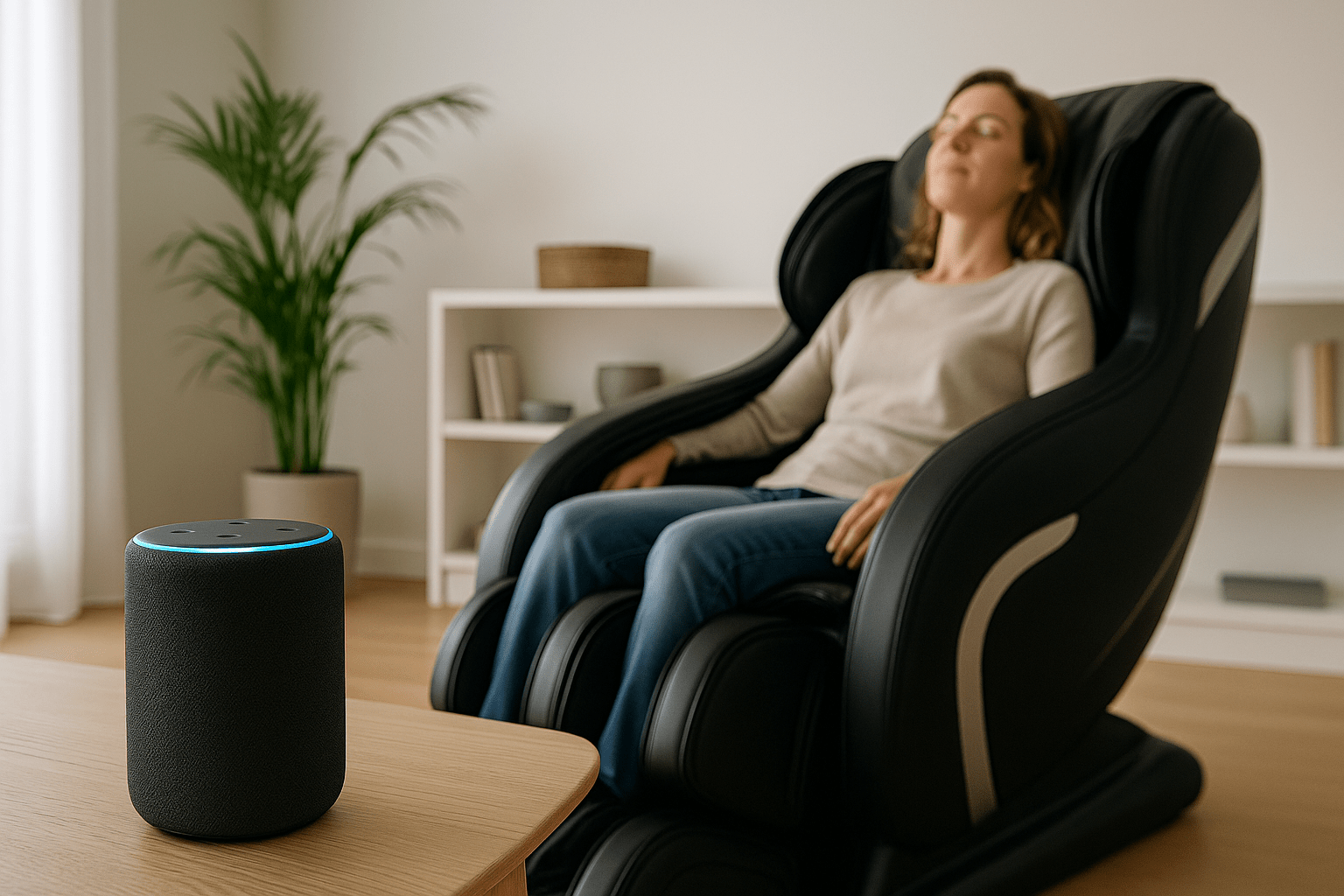
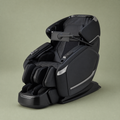
Massages can be another valuable addition to the treatment of scoliosis, as they specifically address the muscle tension caused by the spinal curvature. This helps relax the affected muscles, which can lead to relief from symptoms and improved mobility.
While massage alone cannot alter the structural aspects of scoliosis, it is an effective method for managing the symptoms. It is particularly advisable to combine massage with specific strengthening exercises and physical therapy.
The Dynamics of Scoliosis Treatment: Achieving a Healthy Spine Through Progress and Patience
Scoliosis treatment offers numerous approaches to address the challenges of this complex condition, ranging from early diagnosis to personalized treatment methods and ongoing support.
These measures highlight the remarkable adaptability and strength of our spine, which bears enormous loads every day and gives us freedom of movement. By understanding and actively addressing scoliosis, we recognize the essential role our spine plays in our health and well-being, and enable it to fulfill its important function to the best of its ability.
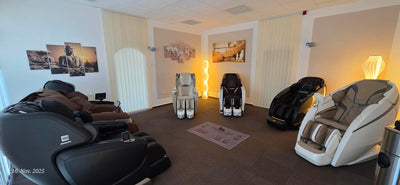
Co-founder and Managing Director of Massagesessel Welt. With his expert knowledge and industry experience, he helps individuals and businesses find the right massage chairs for relaxation, health, and vitality. Personalized expert consultations are available by phone or video chat, as well as at the showroom just outside Stuttgart.