






























































Relieving Chronic Pain: Which Methods Really Work?
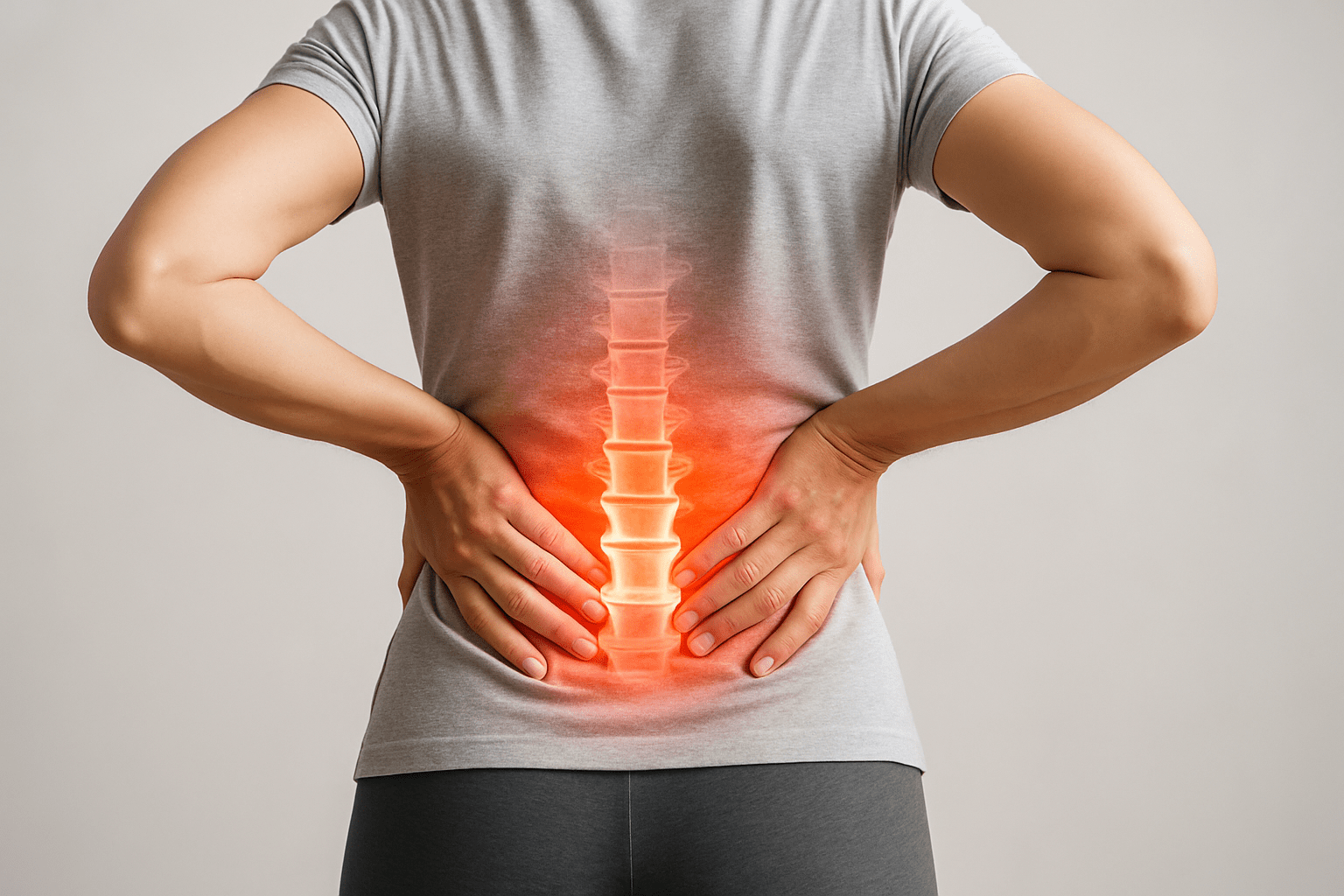
Imagine waking up in the morning. The sun is shining gently through your window, the birds are chirping outside, and for a moment, you feel as though everything is peaceful and perfect. It could be so wonderful if it weren’t for him. Your constant companion: pain. Maybe it wakes you up abruptly or kept you awake all night. That’s roughly what it feels like when you suffer from chronic pain. Whether in your back, joints, muscles, or as a vague pain with no clear cause—chronic pain affects many people. About 23 million...


Imagine waking up in the morning. The sun shines gently through your window, birds are chirping outside, and for a moment, you feel as though everything is peaceful and perfect. It could be so beautiful if it weren’t for him. Your constant companion: pain. Maybe it wakes you up abruptly or kept you awake all night. That’s roughly what it feels like when you suffer from chronic pain.
Whether in the back, in the joints, the muscles, or as diffuse pain with no clear cause—chronic pain affects many people. About 23 million people in Germany know this burden all too well. Chronic pain is complex and can affect every aspect of life. But there are ways to counteract this pain and improve quality of life again. In addition to traditional treatment methods, alternative approaches such as massage are becoming increasingly important.
In this article, you’ll learn more about the causes and mechanisms of chronic pain, the medical and other treatment options available, and how massage can be used specifically to address chronic pain. We’ll also take a look at the benefits of massage chairs as a potential complement to pain management.
Important Note: This article is for informational purposes only and is not a substitute for medical advice. If you have any health concerns, please always consult a doctor to receive personalized and professional treatment.
What is chronic pain?
Pain is essentially a warning signal from the body. Acute pain is caused by injuries or inflammation and usually goes away once the underlying cause is resolved. Chronic pain, , on the other hand, lasts longer than three months and can take on a life of its own.
This health issue can affect all aspects of daily life and is often referred to as a chronic pain condition. This means that the pain persists even after the original cause has subsided.
Types of Chronic Pain
Chronic pain manifests itself in various ways and affects people in very individual ways. While some suffer from sharp joint pain, others are plagued by persistent muscle pain or a diffuse sensation of pain with no apparent cause.
Some people affected report burning or stabbing pain, while others feel a dull, persistent pressure. In addition, chronic pain can be accompanied by fatigue, sleep disturbances, or difficulty concentrating.
This diversity makes it important to classify chronic pain accurately. That’s why we’ll take a closer look at the different types of chronic pain:
Nociceptive Pain
These are caused by tissue damage or inflammation, such as in cases of arthritis or following injuries. The pain is usually easy to pinpoint and is exacerbated by mechanical stimuli such as pressure or movement.
Recommended Reading: Endometriosis is one example of a condition associated with chronic pain. You can learn more about it in our article on endometriosis, the types of pain it causes, and treatment options.
Neuropathic Pain:
This condition occurs when nerves are damaged or irritated, for example, in cases of diabetes, following a herniated disc, or due to neurological disorders. It often manifests as a burning sensation, tingling, or shooting pains.
Pain Caused by Changes in Pain Processing:
This condition involves hypersensitivity of the nervous system, causing pain to be perceived as more intense even though there is no clear physical cause. Examples include fibromyalgia and central pain syndrome.
Recommended Reading: Learn more about the chronic pain condition fibromyalgia in our article.
Causes & Symptoms of Chronic Pain
Chronic pain does not occur without a reason—it is often the result of a complex interplay of various factors. While some people experience chronic pain due to injuries or inflammation, in others, pain develops without any apparent physical cause.
A lack of exercise, stress, or other psychological factors can also play a role. To gain a better understanding of chronic pain, it’s worth taking a look at its causes and typical symptoms.
Bio-Psycho-Social Model of Pain
Chronic pain is not just a physical problem. It is influenced by a complex interplay of biological, psychological, and social factors. Stress, anxiety, and depression can intensify the sensation of pain.
In theory, this is referred to as the biopsychosocial model of pain. Given the interplay of these factors, a holistic therapeutic approach is crucial.
Pain Memory
Our brain stores chronic pain. If a pain stimulus recurs, it can persist over the long term, even if the actual cause is no longer present. This “pain memory” plays a central role in chronic conditions.
Treatment of Chronic Pain

The treatment of chronic pain requires a comprehensive approach that takes into account various aspects of well-being. Not only the body, but also psychological and social factors play a crucial role. Therefore, there is no one-size-fits-all solution—rather, different therapeutic approaches must be combined to achieve the best possible relief for each individual.
The Interdisciplinary Approach to Pain Management
Because chronic pain is complex, its treatment often requires a combination of different methods. In modern pain management, a team of specialists from various disciplines works together—including doctors, physical therapists, psychologists, and pain specialists.
Together, they develop personalized treatment plans that include both medication-based and non-medication-based methods. One particularly effective approach is multimodal pain management, which takes physical, psychological, and social factors into account equally.
This form of treatment combines various disciplines to specifically reduce pain in everyday life:
-
Medications: Pain relievers or antidepressants can help, but they should not be the only solution in the long term.
-
Exercise Therapy: Moderate exercise can relieve chronic pain and strengthen the muscles.
-
Psychological Support: Behavioral therapies help improve coping with chronic pain.
-
Massages: An often underestimated method for natural pain relief.
Recommended Reading: You can learn more about pain management in our detailed blog post: Pain Management – Strategies for a Better Life.
How do massages help with chronic pain?

Massage is one of the oldest healing methods and has proven its effectiveness over the centuries. It can:
-
Promote blood circulation
-
Increase the release of endorphins (the body's natural painkillers)
The type of massage that works best for chronic pain depends on the individual’s symptoms. Targeted massage can provide relief, especially for neuropathic pain. Swedish massage, for example, is known for its relaxing effects, while trigger point massage specifically targets pain-triggering points. Deep-tissue massages are particularly effective for chronic muscle tension.
Can a massage chair help with chronic pain?
Chronic pain conditions require a great deal of patience and perseverance from those affected. The search for effective treatment options can involve a great deal of effort—whether in terms of time, energy, or financial investment.
In addition to medical treatments and physical therapy, many people are looking for additional methods to relieve their symptoms and make their daily lives more comfortable.
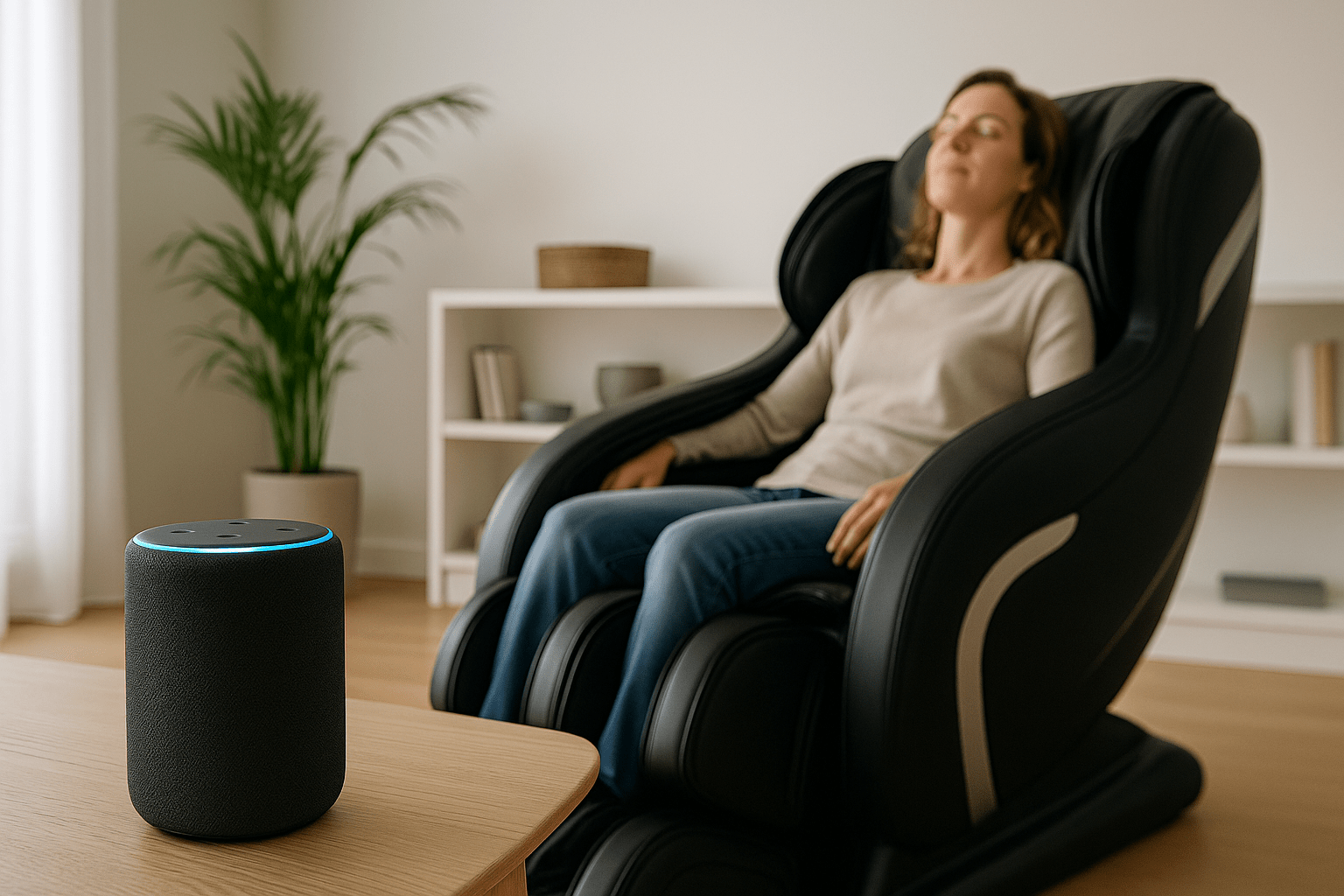
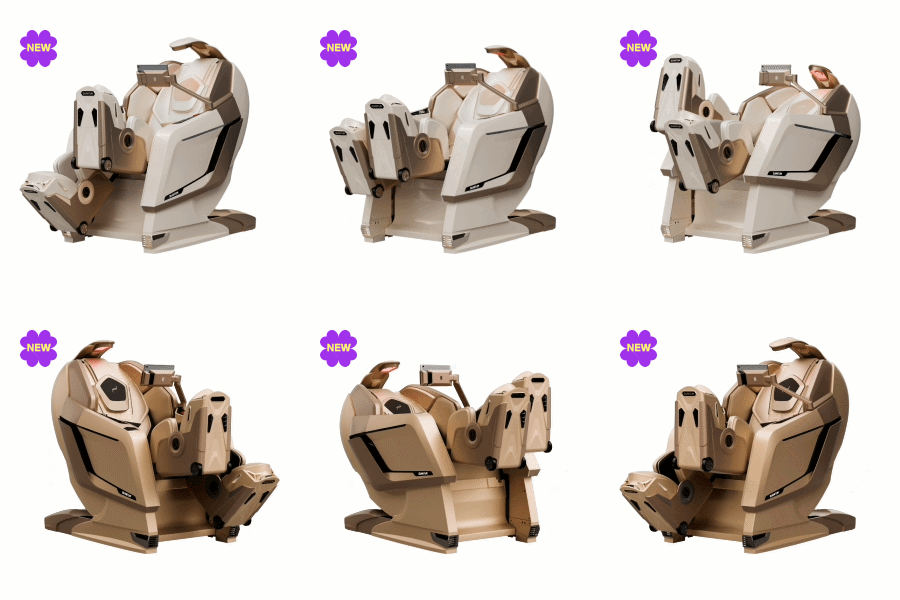
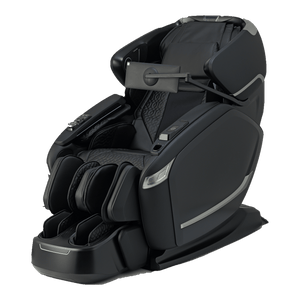
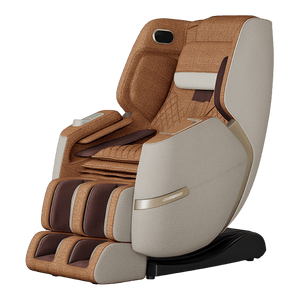
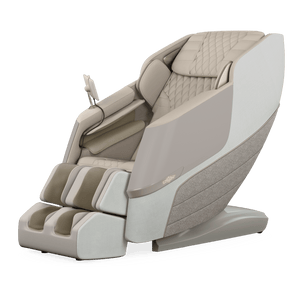
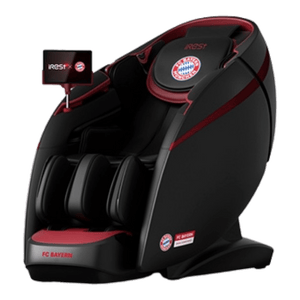
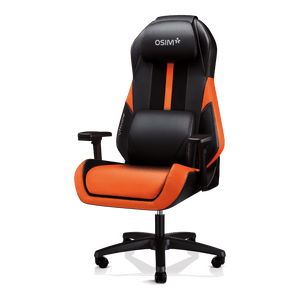
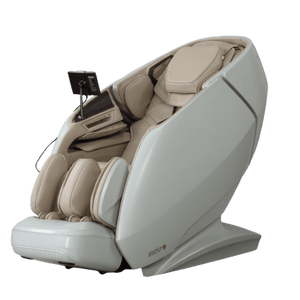
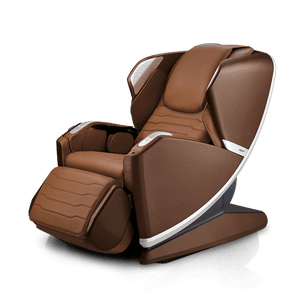
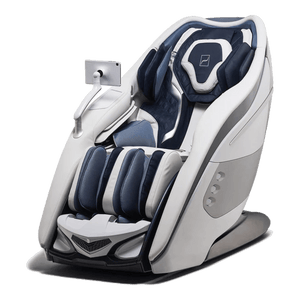
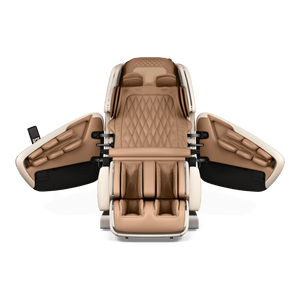
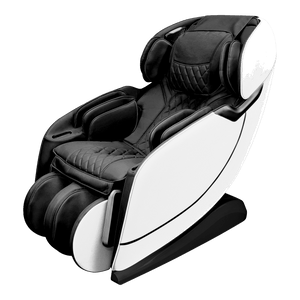
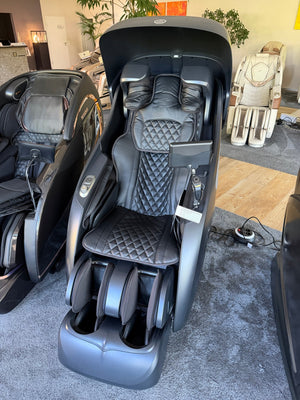
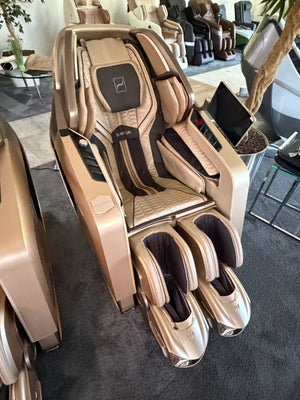
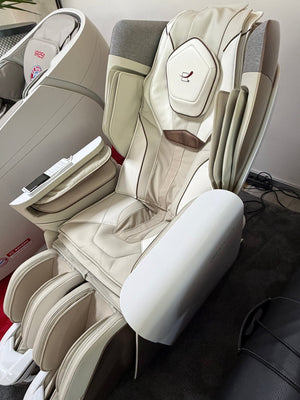
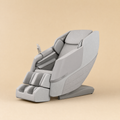
A massage chair can be a useful addition here. Modern models offer a variety of massage techniques that target tense muscle areas and can help relieve chronic pain. This makes it easy to incorporate regular relaxation into your daily routine.
Recommended Reading: Whether a massage chair is right for you depends on various factors—including your specific health concerns and your need for relaxation. In our article Is a Massage Chair Worth It? you’ll learn more about the benefits and possible uses.
A New Perspective on Chronic Pain: Ways to Improve Quality of Life
Chronic pain affects an incredible number of people in their daily lives, taking a toll not only on the body but also on mental resilience. It cannot be managed with a single method but requires a combination of different approaches. Exercise, therapeutic interventions, and targeted relaxation techniques can help alleviate pain and improve quality of life.
Massages play a special role in this regard: They relieve tension, promote blood circulation, and have a positive effect on pain perception. A massage chair allows you to enjoy these soothing benefits in the comfort of your own home at any time.
It should be viewed as part of a comprehensive approach that is tailored to each individual’s specific needs. Ultimately, the goal is to find a way to prevent pain from becoming the defining factor in one’s life and to create more room for well-being and freedom of movement.
Cover photo: Anthony Tran; other photos: Devonyu, Relif, Fiona Gan
Co-founder and Managing Director of Massagesessel Welt. With his expert knowledge and industry experience, he helps individuals and businesses find the right massage chairs for relaxation, health, and vitality. Personalized expert consultations are available by phone or video chat, as well as at the showroom just outside Stuttgart.