













































What Helps Relieve Joint Pain?: Causes, Symptoms, and Treatment
Joint pain is an often underestimated and highly prevalent condition. A closer look reveals a surprising reality: millions of people of all ages deal with it every day. According to the German Society for Rheumatology, in 2023, approximately 700,000 adults in Germany alone will be affected by rheumatoid arthritis. That represents about 0.8 to 1.2 percent of the adult population, which illustrates the scale of this health problem. Typically, the disease begins with joint pain in the fingers and toes and spreads over time. The causes of joint pain can be varied, but there are promising approaches to relief. Not surprisingly, massage is one entirely natural treatment option....

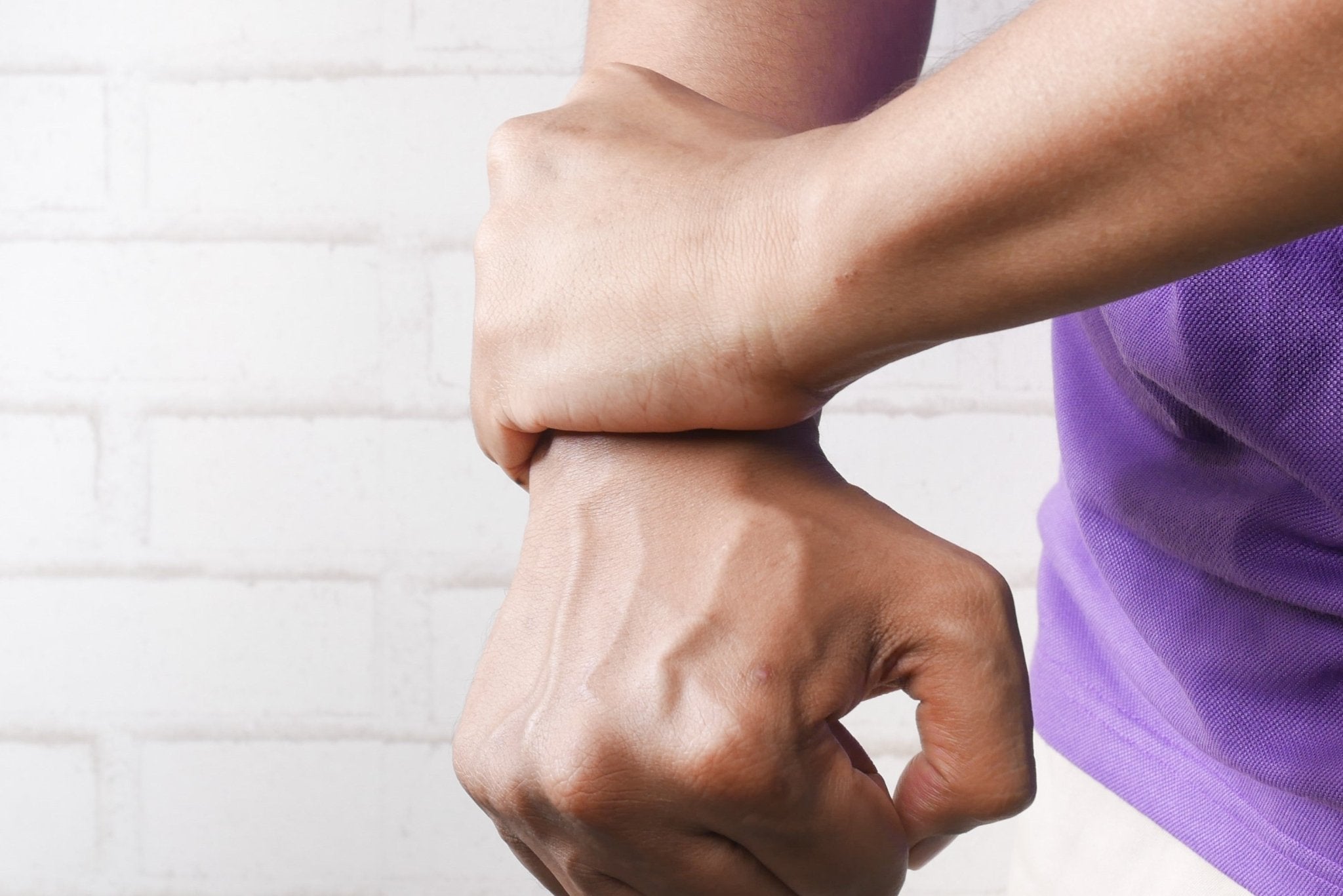
Joint pain is an often underestimated and very common condition. A closer look reveals a surprising reality: millions of people of all ages deal with it every day.
As the German Society for Rheumatology reports, in 2023, approximately 700,000 adults in Germany alone will be affected by rheumatoid arthritis. That represents about 0.8 to 1.2 percent of the adult population, which illustrates the scale of this health problem. Typically, the disease begins with joint pain in the fingers and toes and spreads over time.
The causes of joint pain can vary widely, but there are promising approaches to relieving it. Not surprisingly, massage is one entirely natural treatment option.
In this article, we’d like to provide an overview of joint pain and osteoarthritis, the most common cause of it. We’ll also take a closer look at the consequences and examine in more detail how massage works in this context.
Note: Please be aware that this post is not a substitute for medical advice, and if you have medical questions regarding symptoms such as joint pain, you should always consult your doctor to find the best solution for your individual situation.
Recommended Reading:From Head to Toe: How Massages Help
What is osteoarthritis, and how is it related to joint pain?
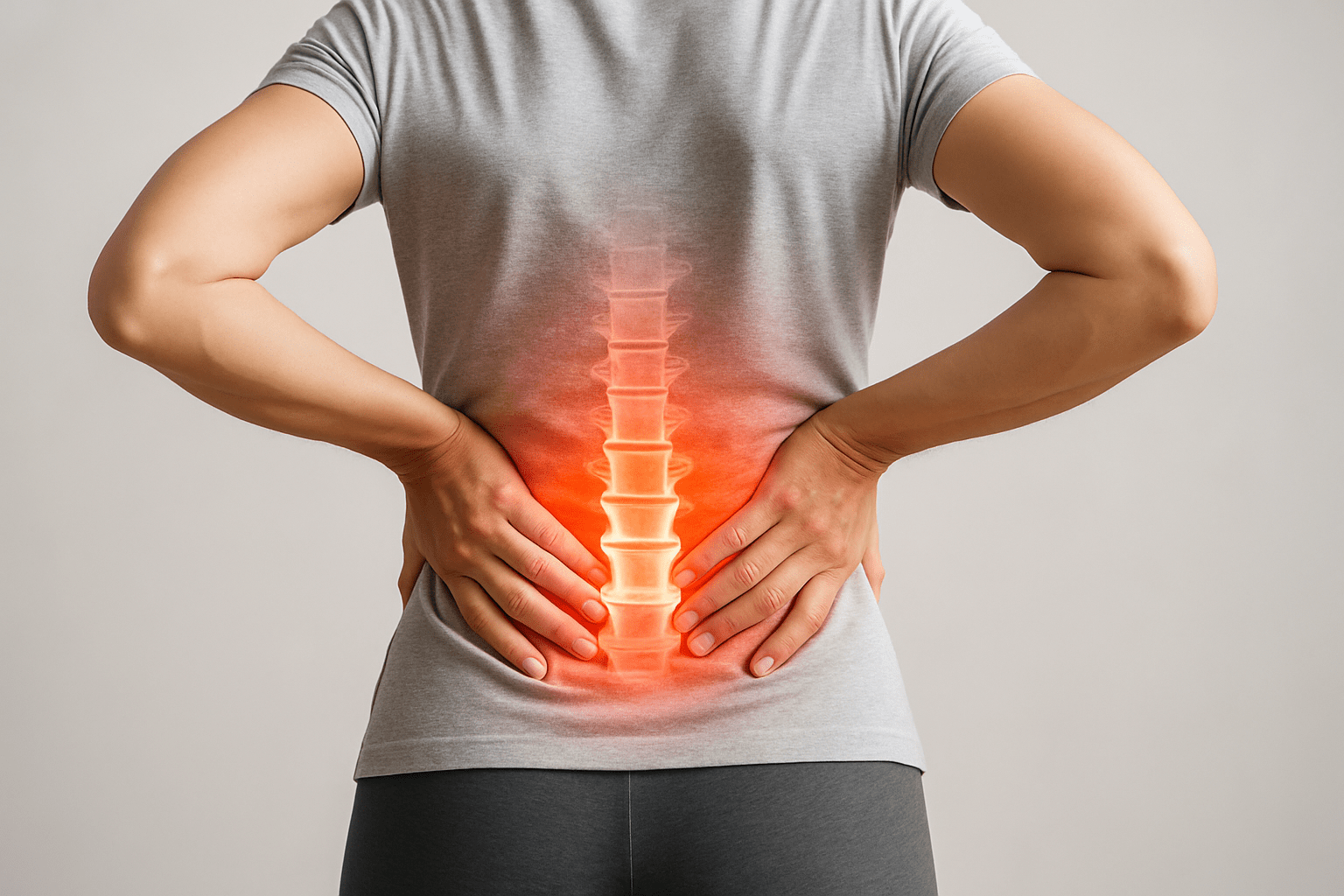
Joint pain, especially in the hip area, is often dismissed as a general sign of wear and tear. But that is precisely what osteoarthritis is: a widespread joint disease in which joint pain is a symptom of the “wear and tear” on the joints.
Osteoarthritis occurs when the cartilage that covers the joints and normally acts as a shock absorber breaks down. This breakdown of cartilage can lead to pain, stiffness, and limited joint mobility, and, as a result, joint pain.
Those affected often hear that the only solution is to have a new joint implanted. However, health insurance companies are sounding the alarm, pointing out that in many cases, surgery is performed too often without investigating the actual causes of joint pain.
Upon closer examination of an X-ray, however, it quickly becomes clear that the normal joint space between the joint surfaces has narrowed or, in the worst case, has disappeared entirely. The bones of the joint come into contact with one another, rub against each other, and cause joint pain. But no one is doomed to live with this pain. Surgery should always be a last resort.
Recommended Reading: Osteoarthritis and rheumatism are often confused with one another. You can read more about rheumatic pain in our article.
What causes joint pain and osteoarthritis, and how do they manifest?
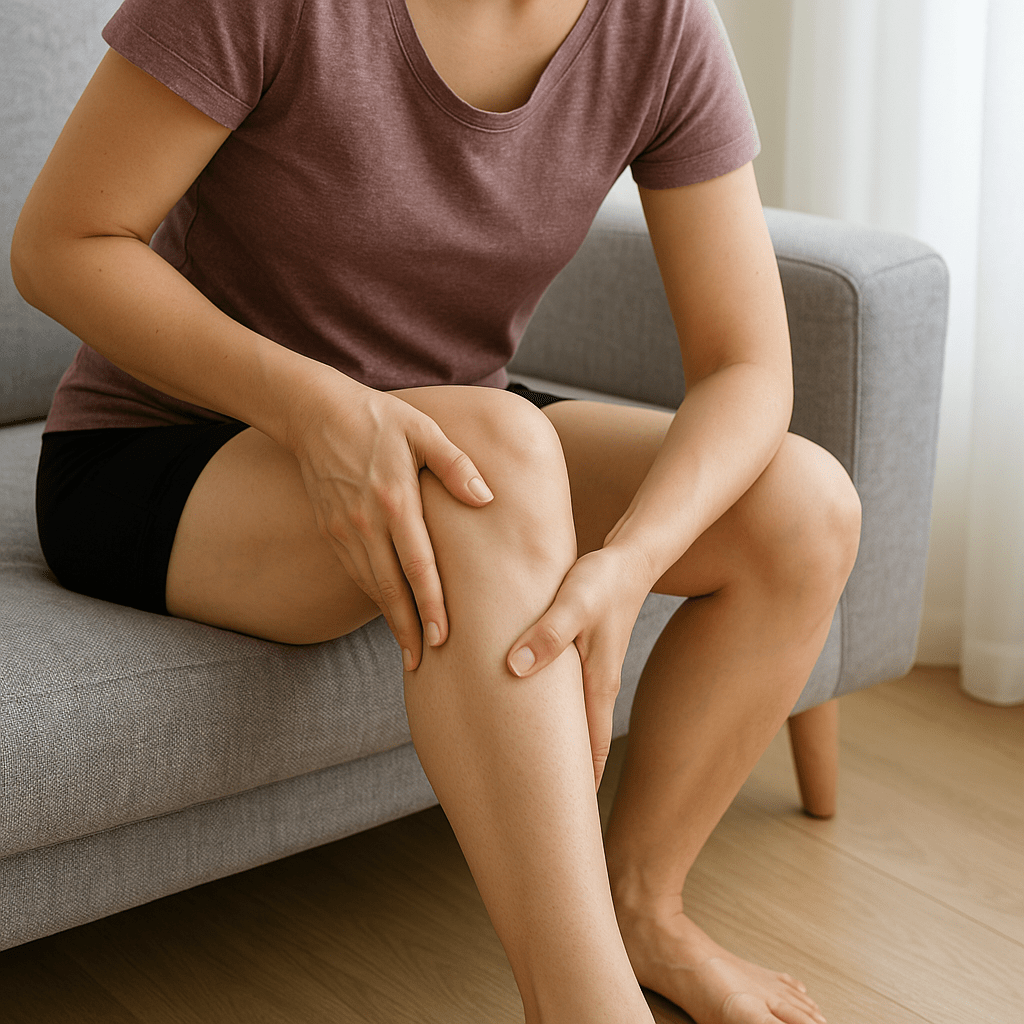
The progression of a condition involving joint pain is often gradual. Typical symptoms may include pain when rotating the joint, pain when putting on shoes, swelling around the joint, redness, and difficulty walking. Joint pain caused by cartilage wear typically begins after age 50, but younger patients may also experience pain before cartilage wear becomes a factor.
This wear and tear is generally exacerbated by improper mechanical stress. Causes can include being overweight, as well as poor movement patterns resulting from underdeveloped muscles or pain. This is because tension or discomfort often causes us to move slightly differently than we would if we were healthy—and this, too, can lead to osteoarthritis over time.
What helps relieve joint pain?

If osteoarthritis is present, it usually means that the joint has not been functioning properly for quite some time. The first step—which must not be overlooked—is “prevention.” Everyone can take steps to reduce their risk of developing joint disease and the associated joint pain.
Regular exercise promotes blood circulation and supplies tendons, cartilage, and joints with essential nutrients. A balanced diet that avoids alcohol, high-fat foods, and excessive meat consumption can also reduce the risk of developing the condition.
If you’re already experiencing joint pain, these tips are still worth following, but they won’t provide short-term relief. They simply promote the regeneration and repair of the joints in the “worn-out” areas. So what else can you do to relieve joint pain?
Building muscle is an effective way to correct misalignments caused by poor posture in everyday life. It’s also essential to relieve muscle tension that contributes to asymmetrical strain. And that’s where massage comes in.
Massage as a Possible Form of Therapy for Joint Pain
A massage aims to increase blood flow in the affected area, reduce inflammation, and relieve tension. As a result, it can also help alleviate joint pain and restore mobility to painful joints. Step by step, as someone living with this condition, you can work toward a healthy range of motion that can reduce your symptoms and relieve joint pain.
Furthermore, massage stimulates the release of endorphins. These act as the body’s own natural painkillers, which can create a sense of relaxation and well-being. The combination of physiological and psychological effects makes massage a valuable form of therapy for joint pain and osteoarthritis, although it does not promise a cure.
The positive effects of massage as a complementary therapy for joint pain are still viewed with skepticism by some today. This is mainly due to a lack of comprehensive studies, which is why this issue was recently addressed in a U.S. study . Researchers from Florida conducted a comprehensive search for studies that systematically analyzed the impact of massage on pain and the function of the affected joints. The results of the analysis were promising:
“Compared to other, non-active forms of therapy, massage leads to a greater reduction in pain and an improvement in joint function.”
However, massages are beneficial not only for existing conditions but also, and in particular, for the prevention of arthritis and osteoarthritis.
Each of us can take steps to minimize the risk of joint pain caused by joint disorders. Therefore, pay special attention to the following factors to keep your joints healthy and flexible for a long time and to prevent joint pain:
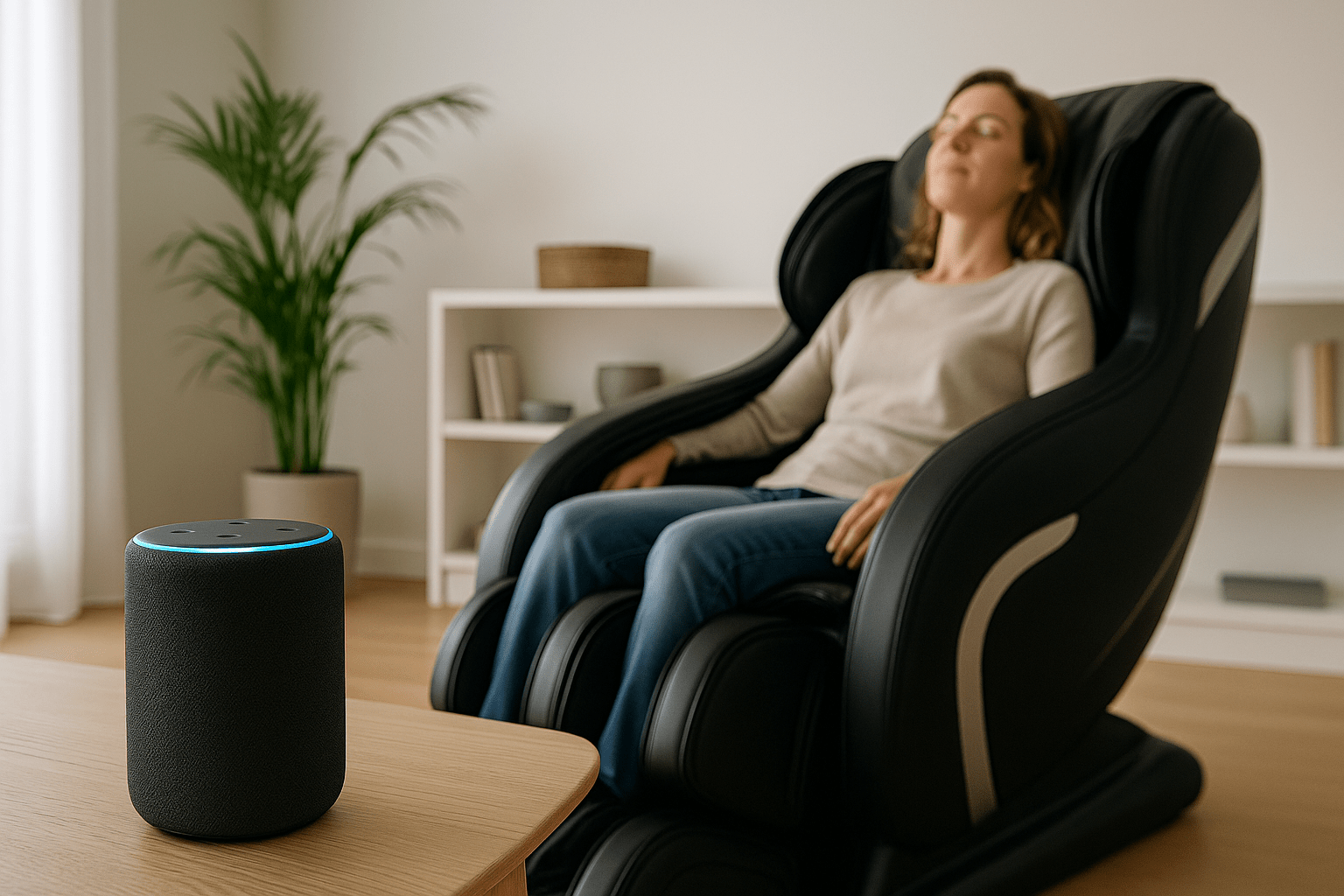
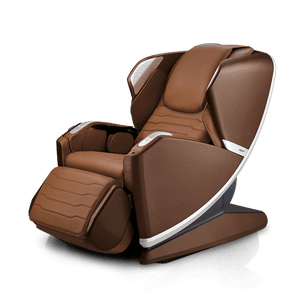
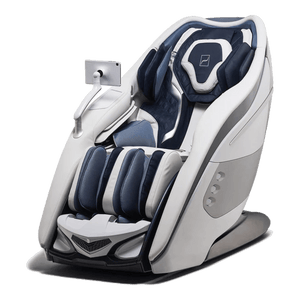
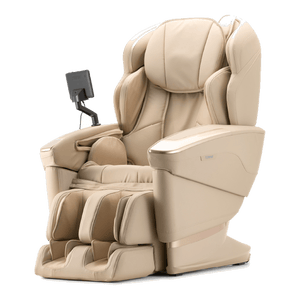
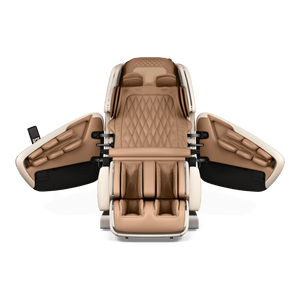
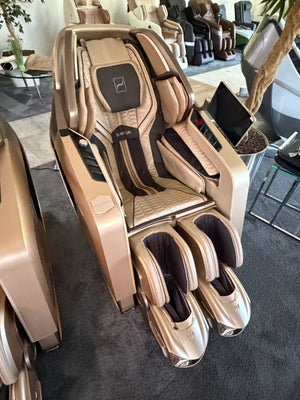
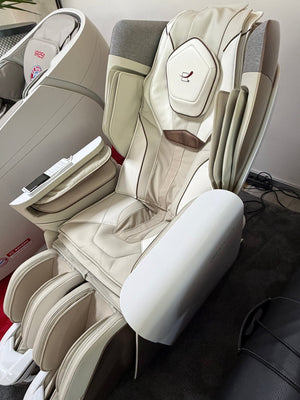
- Ergonomic Posture: If you spend a lot of time sitting or working at a computer, you may experience joint pain. That’s why an ergonomic workspace is important. Take regular breaks to stretch. A spontaneous massage is ideal for this, making a massage chair the perfect choice.
- Stress Relief: Stress can negatively affect not only your joints but also your overall range of motion. Too much stress can therefore also lead to joint pain. Find ways to relax, such as through meditation and massages.
- Exercise: Regular, low-impact exercises maintain the flexibility of your joints and strengthen the supporting muscles.
- Healthy Eating: A balanced diet rich in antioxidants, omega-3 fatty acids, and anti-inflammatory foods such as fish, nuts, berries, and turmeric can also reduce the risk of joint pain caused by inflammation.

Joint Pain—There Is Relief
Those affected often know this all too well. Joint pain and osteoarthritis can significantly impact your life. But there are ways to relieve joint pain and improve your quality of life.
Massage can be a natural and effective way to combat joint pain and find relief. All in all, massage is a gentle and natural way to relieve joint pain and improve mobility. It can definitely help improve your quality of life, reduce joint pain, and lower the far too high number of people suffering from it in this country.
Recommended Reading: Muscle Soreness After Massages—What Causes It and How Can You Prevent It?
Take charge of your own health and talk to your doctor about massage as an alternative and complementary form of therapy for joint pain.
Co-founder and Managing Director of Massagesessel Welt. With his expert knowledge and industry experience, he helps individuals and businesses find the right massage chairs for relaxation, health, and vitality. Personalized expert consultations are available by phone or video chat, as well as at the showroom just outside Stuttgart.