































































Muscle Pain Throughout the Body: Causes and Ways to Relieve It
Did you know that the human body has more than 600 muscles? The fact that every single one of them is prone to pain, however, is less pleasant. And muscle and joint pain can affect anyone—from elite athletes to office workers. In fact, statistics from the GCS Special OTC & Pharma Report show that just under a third of all Germans have suffered from at least one form of joint and muscle pain in the past 12 months. Specific areas are usually affected, but it’s not uncommon for those affected to complain of muscle pain throughout their entire body. The causes are as varied as the ways to treat them. One of the...


Did you know that the human body has more than 600 muscles? The fact that every single one of them is prone to pain, however, is less pleasant. And muscle and joint pain can affect anyone—from elite athletes to office workers.
In fact, statistics from the GCS Special OTC & Pharma Report show that just under one-third of all Germans have suffered from at least one form of joint and muscle pain in the past 12 months. In most cases, specific areas are affected, but it is not uncommon for those affected to complain of muscle pain throughout their entire body. The causes are as varied as the ways to treat them. One of the oldest and most proven approaches to relief is massage therapy.
Recommended Reading: To find out when massages can be effective, check out the article“From Head to Toe—Here’s Where Massages Help.”
In this article, we’ll take a closer look at the broad topic of muscle pain—both throughout the entire body and in specific areas. We’ll explore its various types and causes and show how targeted massages can not only relieve pain but also enhance your overall well-being.
Note: Please note that this post is not a substitute for medical advice. If you are experiencing persistent pain, be sure to consult a healthcare professional
The Most Common Causes of Muscle Pain Throughout the Body
To properly assess muscle pain, we first need to understand it. Also known as myalgia, muscle and joint pain can manifest in a wide variety of ways:
→ Acute muscle pain, which is sudden and intense, is often caused by an injury or overexertion.
→ Chronic muscle pain , on the other hand, develop over long periods of time and can be extremely persistent. Their causes range from physical to psychological factors. In cases of chronic pain, it is recommended to workon pain managementto learn how to cope better with the pain.
→ Cramps, strains, and muscle tension are other common symptoms that can range from mild discomfort to severe impairment.
Recommended Reading: Muscle and joint pain are often difficult to distinguish from one another. In this article, we’ve addressed the topic of joint pain, its causes, and treatment .
What conditions cause muscle pain?
The causes of muscle and joint pain are as varied as the types of pain themselves. However, certain conditions top the statistics.
Muscle pain throughout the body caused by fibromyalgia
Fibromyalgia is a complex condition characterized by joint and muscle pain in multiple areas of the body. It is not uncommon for those affected to experience muscle pain throughout the body and exhaustion, which can progress to chronic fatigue. Unfortunately, the exact causes are unknown, but fibromyalgia appears to be linked to changes in the way the brain processes pain signals.
People with fibromyalgia often experience increased sensitivity to pain and associated symptoms such as sleep disturbances, memory problems, and mood swings. The prevalence of fibromyalgia among the German population is approximately two percent.
Muscle Pain Associated with Osteoporosis
Osteoporosis itself does not cause muscle pain, but weakened bones can lead to painful fractures, which in turn can result in muscle pain. Vertebral fractures, in particular, can lead to long-lasting muscle pain in the back, as the muscles try to compensate for the weakened structure.
In Germany, about 7.8 percent of women and 2.0 percent of men aged 18 and older suffer from osteoporosis; the prevalence increases significantly with age, and women are affected significantly more often than men.
Recommended Reading: Learn more about muscle pain associated with osteoporosis in our article.
Sarcoidosis and Muscle Pain
Sarcoidosis is an inflammatory disease that can affect various organs, but most commonly the lungs. When the muscles are affected, it can lead to muscle pain and weakness. These symptoms are often transient and vary greatly in intensity.
Sarcoidosis usually progresses in episodes. With an estimated 3,500 people affected in Germany, it is far less common than other causes of muscle pain throughout the body.
Muscle Pain During Menopause
During menopause hormonal changes lead to a variety of symptoms, including muscle pain throughout the body and fatigue. This pain, often dull and aching, occurs primarily near the joints, making it difficult to distinguish from joint pain. Varying pain intensity and morning stiffness are typical symptoms
The hormonal fluctuations typical of this stage of life affect inflammatory processes and fluid distribution, which exacerbates symptoms such as muscle pain throughout the body. These symptoms are accompanied by hot flashes, sleep problems, and mood swings, which further impair well-being. Heat therapies, such as treatments using infrared radiation, can provide relief.
Muscle pain in the back
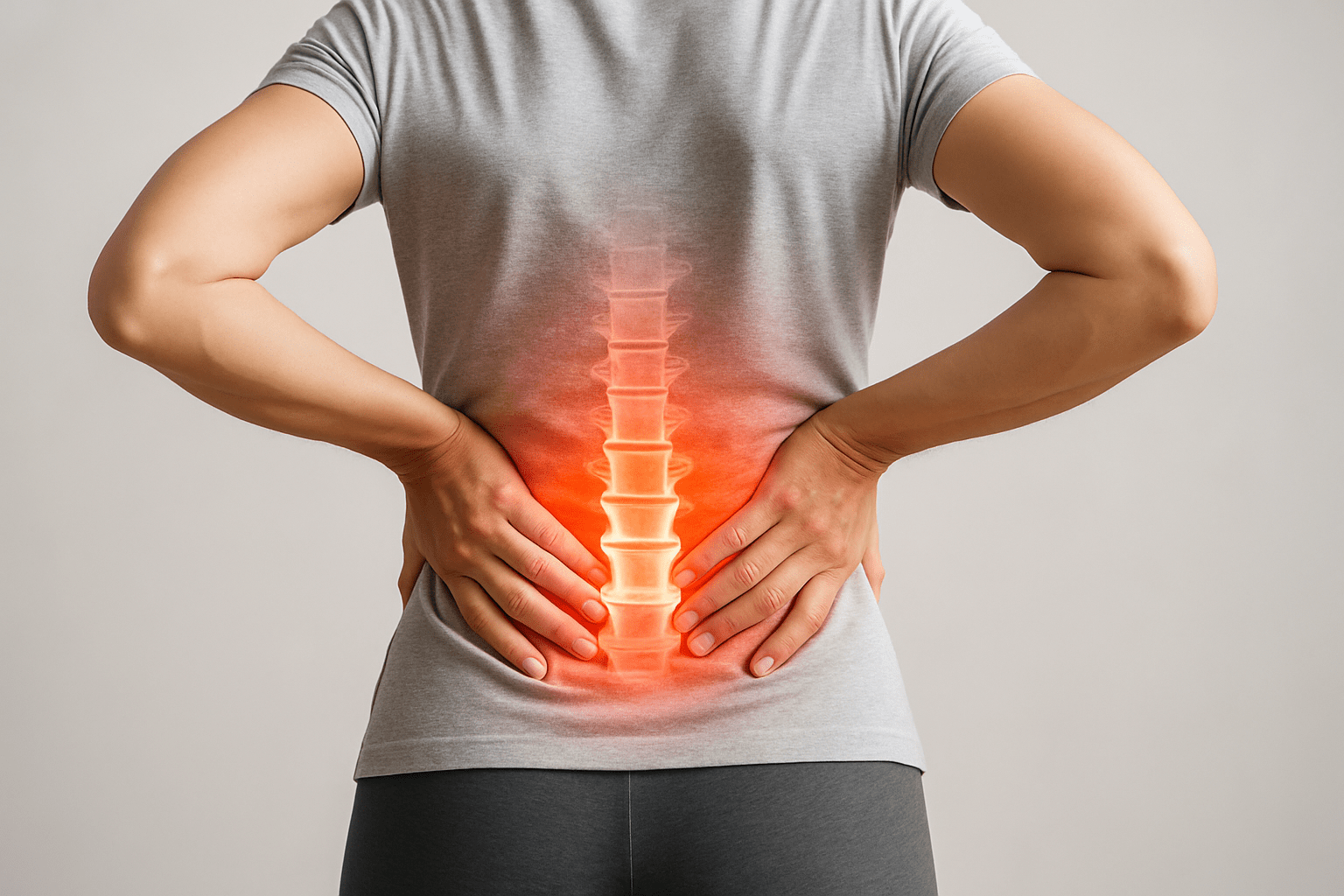
Back pain is one of the most common complaints related to the musculoskeletal system. It can be attributed to a variety of causes, ranging from muscle tension and strains to herniated discs and arthritis. The pain can be acute or chronic and can significantly impair quality of life.
Other causes of joint and muscle pain may include:
- Stress and Overexertion
- Malnutrition and Electrolyte Imbalances
- Infections
- Drug Side Effects
- An infection with the coronavirus
Recommended Reading: In some cases, muscle pain can also occur after a massage. We’ve also covered the causes and remedies for this in our blog.
Please note that a medical evaluation to determine the cause of your muscle pain is essential in order to decide whether massage therapy is appropriate for relief.
Muscle pain throughout the body and exhaustion—how are they related?
Another, often overlooked cause of muscle pain is exhaustion. While we’re aware of the connection, it’s often not entirely clear to us how it actually arises or how one thing can lead to the other. Exhaustion—whether caused by prolonged stress, poor sleep, or emotional strain—can lead to increased muscle tension. This constant tension causes muscle pain because the muscles are unable to relax and recover properly. In addition, exhaustion reduces the body’s pain tolerance, making it more sensitive to pain stimuli.
This increased sensitivity to pain can, in turn, lead to a further deterioration in sleep, which exacerbates fatigue and thus perpetuates the cycle of pain and fatigue. This vicious cycle can significantly impair daily life and often requires a holistic approach to break it, one that addresses both fatigue and muscle and joint pain.
With all these forms of muscle pain, one key question ultimately remains for those affected: What can be done to relieve muscle pain? While medications usually only treat the symptoms, in many cases a form of treatment that also addresses the underlying causes in the long term is more effective.
Massage Therapy as a Solution for Muscle Pain Throughout the Body
How can massages provide relief from muscle pain? Essentially, this is achieved by stimulating blood circulation and lymphatic flow, which promotes the elimination of toxins and improves the supply of oxygen and nutrients to the muscles. The relaxation experienced during a massage promotes the release of endorphins, which act as the body’s natural painkillers, thereby helping to reduce pain, including muscle and joint pain.
In addition, improved blood circulation supports the healing of micro-injuries in muscle tissue that can result from overexertion or injuries. Depending on the cause of the pain, it is important to take specific factors into account when applying massage therapies.
How to Relieve Muscle Pain: Our Tips for Different Massage Techniques
Gentle massage techniques are beneficial for people who suffer from muscle and joint pain caused by fibromyalgia. These include, for example, Swedish massage and trigger point therapy. These massage techniques reduce muscle tension without overloading the body and specifically target pain points.
In cases of osteoporosis, special care must be taken during massages to prevent injury. Techniques that focus on gentle stroking motions and that strengthen and relax the muscles around the affected areas are particularly suitable in this case.
For people with sarcoidosis, gentle massages that promote lymphatic flow can be helpful. Lymphatic drainage massages help remove excess fluid and can reduce swelling that causes pain. This not only improves the function of the affected muscles but also promotes overall well-being.
During menopause, massages specifically designed to promote relaxation and reduce stress can be particularly helpful. Techniques such as aromatherapy massage or hot-stone massage promote relaxation and help relieve muscle pain caused by hormonal fluctuations. These massages also promote better sleep and contribute to overall stress reduction.
For back pain, deep-tissue massages and specific techniques that focus on relaxing the back muscles are particularly effective. They address deep-seated tension and promote better posture.
By applying these massage techniques in a targeted manner, you can achieve significant relief from muscle and joint pain. It’s important to be aware of and take into account your body’s individual conditions and any existing medical conditions when choosing a massage therapy. If there are no contraindications to massage therapy, you should try to incorporate it into your health routine.
Regular massages: a cornerstone of your preventive care against muscle and joint pain
In short: by taking care of your muscular system on an ongoing basis, you can reduce the risk of chronic pain. Massages not only offer immediate relief from joint and muscle pain and tension, but they also help strengthen your immune system and improve your mental health over the long term. Make massage therapy a regular part of your preventive health care routine to promote mobility and relieve pain in a natural and soothing way.
Co-founder and Managing Director of Massagesessel Welt. With his expert knowledge and industry experience, he helps individuals and businesses find the right massage chairs for relaxation, health, and vitality. Personalized expert consultations are available by phone or video chat, as well as at the showroom just outside Stuttgart.