










































Osteoporosis: Pain, Prevention, and Treatment Options
Osteoporosis is a condition whose name is, at the very least, widely known. In everyday life, we encounter it time and again in the form of synonyms—and terms that aren’t actually synonyms—such as bone loss, bone weakness, or even “brittle bone disease” (which is actually a completely different condition). The disease’s high profile stems from the fact that approximately 200 million people worldwide suffer from it and must live with the pain associated with osteoporosis. The condition leads to a decrease in bone density and can have serious health consequences. Despite the widespread assumption that osteoporosis is a problem of old age, younger people can also be affected by the condition. The good news is that there are many treatment options...

Osteoporosis is a condition whose name is, at the very least, widely known. In everyday life, we encounter it time and again in the form of synonyms—and terms that aren’t actually synonyms—such as bone loss, bone weakness, or even “brittle bone disease” (which is actually a completely different condition). The disease’s high profile stems from the fact that approximately 200 million people worldwide suffer from it and must live with the pain associated with osteoporosis.
The disease leads to a decrease in bone density and can have serious health consequences. Despite the widespread belief that osteoporosis is a problem of old age, younger people can also be affected by the disease.
The good news is that there are many treatment options that can help alleviate symptoms and slow the progression of the disease. Massages can also be a helpful addition to treatment, although massages for osteoporosis require extra care.
Recommended Reading: Ifyou’d like to learn more about the areas where massage can be effective, we recommend our article: “From Head to Toe: Here’s Where Massages Help”
Important Note: This post is not a substitute for medical advice. If your symptoms persist, please be sure to consult your doctor.
What is osteoporosis?
Osteoporosis causes a decrease in bone mass and density, leading to increased bone fragility. Affected bones lose strength and are more prone to fractures, even from minor impacts or falls. Osteoporosis often develops gradually over many years and frequently goes unnoticed until a bone fracture occurs.

Source: https://www.hessing-kliniken.de/fileadmin/user_upload/01-hessing-stiftung/images/content/pillarpages/Knochenstruktur_Osteoporose.jpg
This disease does indeed primarily affect older adults, but it can also occur in younger people. Postmenopausal women are particularly likely to be affected. It is not uncommon for muscle pain to occur in cases of osteoporosis; however, this is not a symptom but rather a consequence of the disease.
Recommended Reading: Learn more about muscle pain during menopause in our article.
How Does Osteoporosis Develop?: Causes
The development of osteoporosis is multifactorial and can be influenced by a variety of factors. One of the main factors is age: bone density naturally decreases with age. In women, this process accelerates after menopause due to declining estrogen levels.
Other risk factors include genetic predisposition, hormonal imbalances, insufficient calcium and vitamin D intake, and a generally sedentary lifestyle. Secondary osteoporosis can also be caused by certain medical conditions or medications. Generally, a distinction is made between three types of osteoporosis.
What are the different types of osteoporosis?
Since osteoporosis can have a variety of underlying causes and its course varies from person to person, the disease is classified into three different types:
-
Primary osteoporosis: This form is the most common and includes postmenopausal osteoporosis, which primarily affects women after menopause. Senile osteoporosis is common in older men and women. Both types are primarily caused by the natural aging process and hormonal changes.
-
Secondary osteoporosis: This condition develops as a result of other diseases or the use of certain medications. Chronic conditions such as rheumatoid arthritis, diabetes, or chronic kidney disease, as well as long-term use of corticosteroids, can impair bone density and lead to osteoporosis.
- Idiopathic osteoporosis: This form occurs without any apparent cause and often affects younger people and children. The exact causes are unknown, and the diagnosis is usually made by ruling out other causes.
Symptoms of Osteoporosis
Subtle and developing gradually—that’s how one might summarize the signs of osteoporosis. In most cases, symptoms do not become apparent until the disease has been present for some time. For this reason, osteoporosis is often not diagnosed until it has reached an advanced stage.
The most common signs of osteoporosis include:
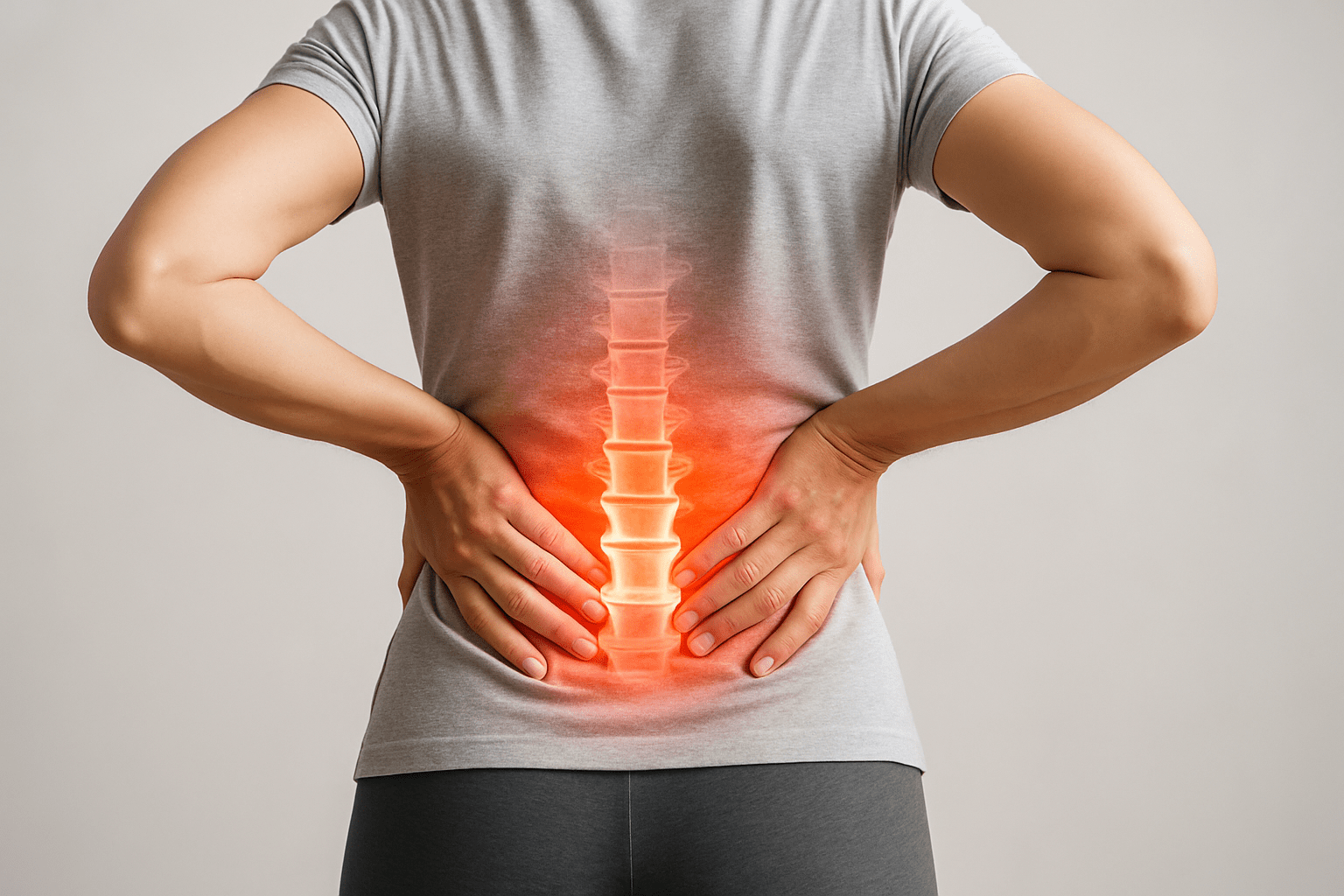
- Back pain: Caused by vertebral fractures or microfractures of the vertebrae.
- Fractures: Particularly in the hip, wrist, or spine, even with minimal stress—often known as fragility fractures.
- Loss of height: Due to vertebral body collapse.
- Poor Posture: A consequence of vertebral fractures that leads to a hunched back.
- Slow Healing of Fractures: Patients with osteoporosis heal more slowly, and fractures can lead to deformities such as spinal curvature.
All of these pains and symptoms typical of osteoporosis often have serious long-term consequences.
Muscle Pain in Osteoporosis: A Consequence of Weakened Bones
Bone weakening caused by osteoporosis has far-reaching consequences that go beyond the risk of fractures. A common problem is muscle pain, which in osteoporosis results from changes in posture and strain on the muscles.
When the vertebral bodies collapse, this often leads to a hunched posture, which puts additional strain on the back muscles and causes tension and pain.
Recommended Reading: Muscle pain and its causes are varied and can occur in any part of the body. In our article on muscle pain throughout the body , you can learn more about this topic.
There is no question that a diagnosis of osteoporosis plays a crucial role in preventing long-term complications and finding the right treatment as early as possible. So how do you determine whether someone has osteoporosis?
How is osteoporosis diagnosed?

Osteoporosis is typically diagnosed through a bone density test, also known as DXA (dual-energy X-ray absorptiometry). This procedure measures bone density and helps assess the risk of fractures. In addition, blood tests may be performed to check calcium and vitamin D levels, as well as other markers that could indicate a bone metabolism disorder.
Early detection is crucial for starting appropriate treatment as soon as possible and slowing the progression of the disease. Regardless of when the diagnosis is made, there are a variety of treatment options for osteoporosis, which we’ll outline below.
Osteoporosis Treatment: What Can Help?
The treatment of osteoporosis aims to improve bone density, relieve pain, and reduce the risk of fractures. Proven options for treating osteoporosis include:
-
Exercise and Training: Regular physical activity, especially strength training and weight-bearing exercises, strengthens bones and improves muscle strength. Gentle activities such as yoga and tai chi can also promote physical balance and flexibility, thereby helping to prevent falls.
-
Drug Therapy: There are various medications that can help slow bone loss or promote bone formation. Commonly used medications include bisphosphonates, calcitonin, hormone therapies, and, more recently, medications such as denosumab and teriparatide.
- Massage for Osteoporosis: Gentle massages can improve blood circulation and relieve tension, which can be helpful for muscle pain caused by osteoporosis. However, it is very important to ensure that massage techniques that are too deep or intense—which could put strain on fragile bones—are not used. Massage treatment for osteoporosis therefore depends on the stage of the disease and should only be performed by experts.
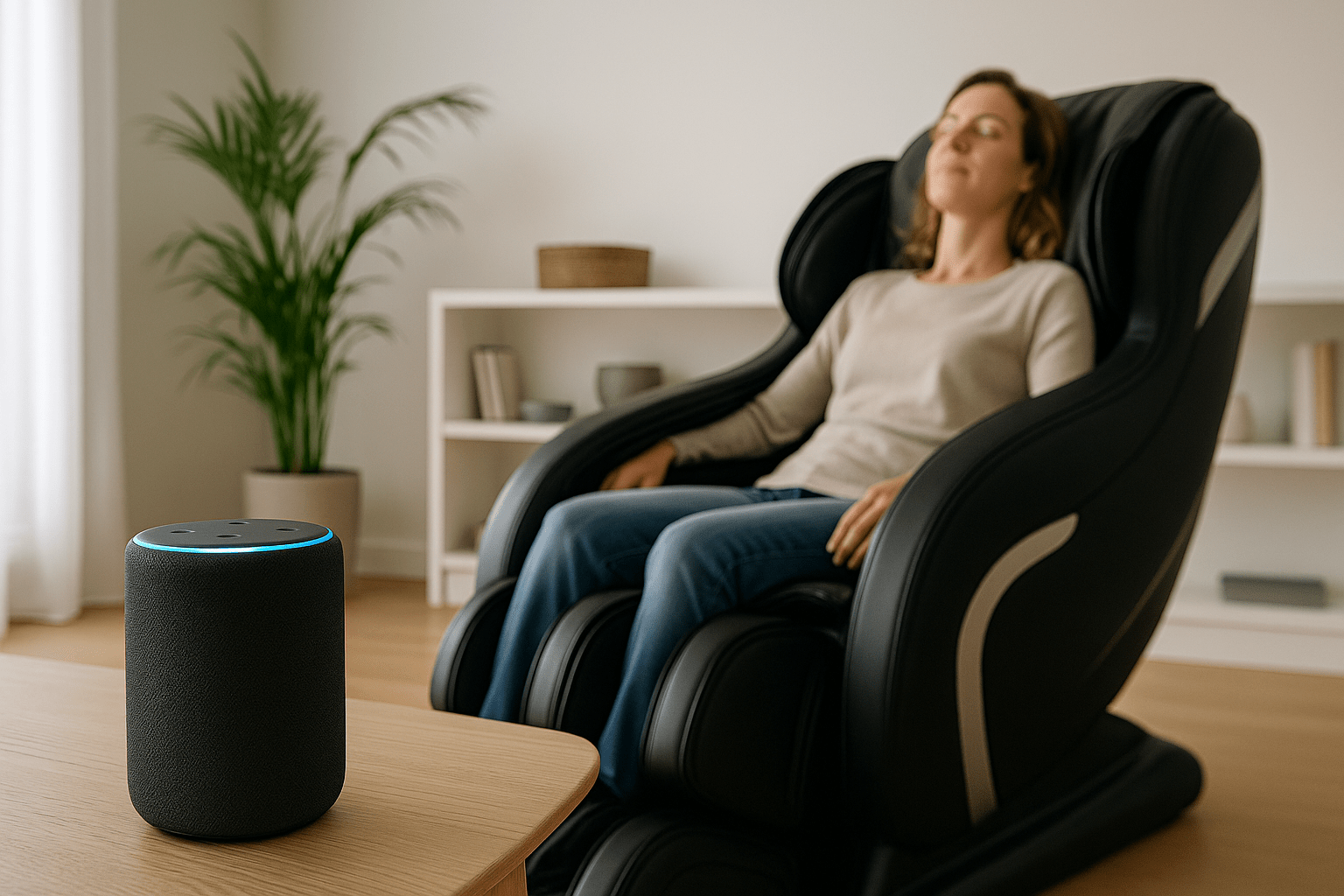
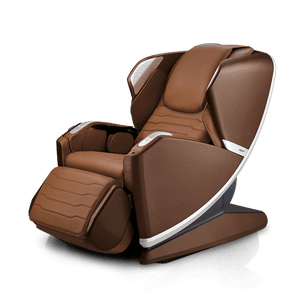
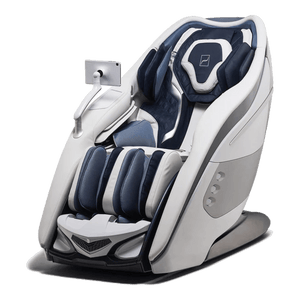
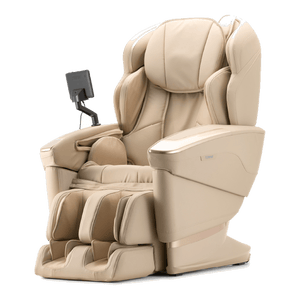
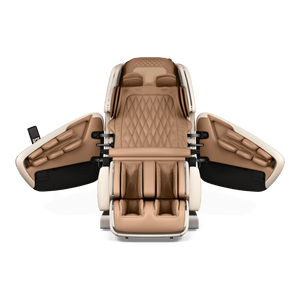
Recommended Reading: Find out in our article under what conditions massage chairs can be used as a complementary therapy or for preventive care: Are Massage Chairs Medically Beneficial?
Osteoporosis and Nutrition
In addition to the various treatment options, diet also plays a key role in the treatment and prevention of osteoporosis. A balanced diet is crucial for bone health and can reduce the risk of developing osteoporosis.
Important nutrients for healthy bones include:
- Calcium: Essential for bone health. Good sources include dairy products, green leafy vegetables, and fortified foods.
- Vitamin D: Supports the body’s absorption of calcium. Sunlight and foods such as fatty fish or fortified dairy products are good sources.
- Protein: Important for building and maintaining muscle mass, which supports the bones.
A proper diet can improve bone density and reduce the risk of fractures. Therefore, make sure to follow a bone-healthy diet: Include calcium-rich foods such as dairy products and green leafy vegetables; ensure you get enough vitamin D through sun exposure, fatty fish, or supplements; and consume enough protein to strengthen your muscles and bones.
Just as you can positively counteract the disease through your diet, there are also certain things you should definitely avoid if you have osteoporosis.
What to Avoid If You Have Osteoporosis
Some activities and habits can do more harm than good when you have osteoporosis. These include:
- Deep Tissue Massage: This intense massage technique can put additional strain on brittle bones and should be avoided.
- Smoking: Damages bone health and reduces bone density.
- Excessive alcohol consumption: Can impair calcium absorption and increase the risk of falls.
- Caffeine: High caffeine intake can increase calcium excretion and thus reduce bone density.
- Lack of exercise: A lack of exercise can lead to a decline in bone density, since bones are not sufficiently stimulated without regular stress.
Being aware of these risks not only helps minimize the risk of developing the disease, but also contributes to a generally healthy lifestyle in a relatively simple way. Let’s take a look at what other steps you can take to prevent osteoporosis.
Preventing Osteoporosis-Related Pain Through a Mindful and Active Lifestyle
Preventing osteoporosis-related pain and other symptoms begins at a young age. The key is to build up and maintain a healthy musculoskeletal system, but also to keep an eye on your nutrient intake.
An active and healthy lifestyle is a marathon, not a sprint. What matters is consistency over many years. That doesn’t mean you have to force yourself to do something every day. Rather, many people fall into the habit of never being active at all—and that’s exactly what you need to avoid.
Strengthen Your Bones and Combat Osteoporosis Symptoms—Your Lifestyle Makes All the Difference
Osteoporosis and the pain it causes are a daily challenge for millions of people. And even though the disease is incurable, understanding the causes and symptoms of osteoporosis can already make a valuable contribution to improving the quality of life for those affected. A balanced diet, regular exercise, and avoiding risk factors such as smoking and excessive alcohol consumption are relatively easy to incorporate into one’s lifestyle from a young age.
Even in cases of osteoporosis, gentle massage techniques such as Swedish massage and lymphatic drainage can help relieve everyday tension, promote blood circulation, and thus improve the supply of nutrients throughout the body.
There are many—often subtle—factors, as well as increased awareness of your own body, that can improve your quality of life in the long run. So here’s our tip: Be proactive, pay attention to your body, and take care of yourself whenever possible.
Cover photo: Otto Norin; other photos: Pratik Patel
Co-founder and Managing Director of Massagesessel Welt. With his expert knowledge and industry experience, he helps individuals and businesses find the right massage chairs for relaxation, health, and vitality. Personalized expert consultations are available by phone or video chat, as well as at the showroom just outside Stuttgart.